Your bank account says “absolutely not,” but your feet are already halfway out the door. Good. That tension between I’m broke and I’m going anyway is exactly where the best stories are born.
This isn’t about collecting passport stamps or gaming credit card points. This is about disappearing into places that don’t show up in glossy campaigns, flipping the script on what “budget travel” is supposed to look like, and trading comfort for raw, unfiltered experience.
Below are five budget-friendly discoveries that don’t feel cheap, just cleverly subversive. No infinity pools, no shopping districts—just scrappy, slightly feral adventure you can actually afford.
Rewilding the Commute: Riding Local Transport as Your Main Event
Most people treat local transport like a necessary evil between “real” sights. Flip that. Make the bus, ferry, train, or shared minivan the whole point.
In countries across Southeast Asia, West Africa, and Latin America, long-distance buses and shared taxis are moving microcosms of culture for the price of a fast-food meal. You’re not just getting from A to B; you’re getting a crash course in music, snacks, fashion, and unfiltered human interaction. Cheap overnight trains in places like Vietnam, India, or Eastern Europe can double as your bed for the night—eliminating one night of accommodation while giving you sunrise views over rice paddies, mountains, or rusted industrial skylines. Ferries connecting tiny islands in Greece or Indonesia can cost less than a cocktail in a major city, and the “deck class” section is where the real chaos (and camaraderie) lives.
To pull this off on a budget without completely winging it, scan official rail or bus websites and compare with local info on the ground; schedules and prices can shift with seasons or fuel costs. Show up early, travel with a sarong or scarf for warmth and privacy, and keep your most important stuff strapped to you, not stowed above. You’re not trying to recreate home on wheels—you’re trying to surf the entropy.
Sleeping in the Margins: Strange, Cheap Places to Spend the Night
If you’re only sleeping in conventional hostels and hotels, you’re burning money and missing half the adventure. A whole ecosystem of alternative spaces exists in the cracks of the usual booking platforms, and many of them are either absurdly cheap or functionally free.
Look for community-run guesthouses in small towns instead of tourist hubs—these often don’t show up first in search results but are posted on local tourism boards, municipal sites, or even university pages. In Europe and parts of Asia, monastery or temple stays can be cheaper than hostels, especially if you’re willing to accept basic conditions, strict hours, and occasionally helping out. In rural areas worldwide, farm or homestay setups often trade volunteer work for food and lodging, though you should always research ethical programs that aren’t exploiting either you or local communities.
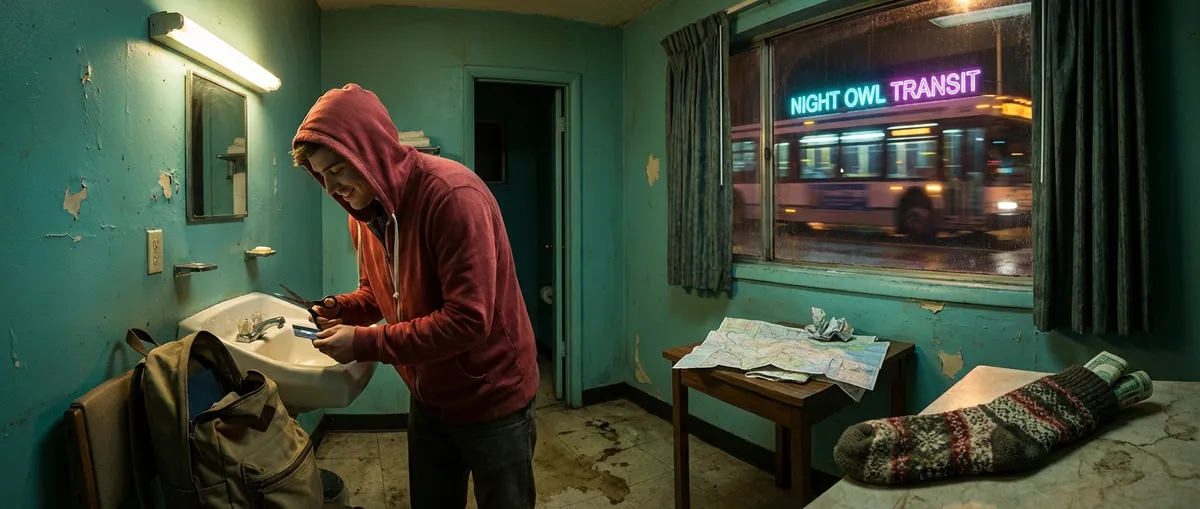
The trick is to think: “Who has beds, but doesn’t call themselves a hotel?” Universities renting out dorm rooms in summer. Simple huts or refuges in national parks. Religious retreats. Pilgrimage routes with basic shelters. These options mean fewer towels folded into swans, more existential 3 a.m. conversations under flickering fluorescent lights. On a budget, that’s a win.
Marketworld: Turning Food Halls and Night Markets into Your Playground
Fine dining on a budget is a losing game. Street food, markets, and neighborhood canteens, on the other hand, are full-contact cultural experiences that cost less than a museum ticket.
Major cities across Asia, Latin America, and parts of Europe have legendary public markets and night bazaars where locals actually eat, shop, and gossip. This is where you can survive an entire day on a handful of coins if you know how to play it: breakfast from a bakery stall, a snack from a fruit vendor, a communal lunch from a steam-table canteen, and dinner from a smoky grill or noodle stand. You’ll learn more from watching how people order, share, and linger over meals than from any city tour.
To keep things cheap and not catastrophic for your stomach, follow lines. Short menus, lots of turnover, and locals visibly demolishing plates are your green flags. Drink bottled or filtered water if the local tap situation is questionable and avoid playing “who can eat the sketchiest thing” as a personality trait. Budget travel is not an endurance sport; the goal is to stretch your money, not your intestines.
Borderline Adventures: Exploring Edges Instead of Famous Centers
Skip the capital. Or at least, don’t get stuck there. The cheapest, strangest adventures often sit on the edges—border towns, transit hubs, or overlooked secondary cities where cultures collide and tourism marketing hasn’t caught up yet.
In many regions, once you leave the polished downtown and head toward the periphery—river crossings, ports, or inland rail junctions—prices collapse and interactions get a lot less scripted. These places often have: chaotic markets where multiple languages collide; unexpected street festivals that never make it onto English event listings; and guesthouses where you might be the only foreigner in weeks. You’ll find bus depots that look like post-apocalyptic art installations, cafes full of long-distance truck drivers, and sleepy waterfronts or station neighborhoods that come alive in strange ways after dark.
The edge strategy on a budget means researching which second- or third-tier cities have solid transport links and basic infrastructure, then deliberately choosing those over the Instagram-famous hotspot. Use official regional or city tourism websites for the bones of your plan, then improvise on arrival. Real life happens in the in-between zones, and that’s exactly where your wallet stretches furthest.
Micro-Quests: Building Your Own Ultra-Cheap Missions
If you just “wander around,” you’ll often default to expensive, tourist-facing stuff. Give your wandering a mission and suddenly the whole city becomes your playground at almost no cost.
Micro-quests are self-imposed challenges that cost little but force you deep into local reality. For example: ride every form of public transport in a single city in one day—tram, jeepney, metro, ferry, moto-taxi, whatever exists. Or hunt down every remaining neon sign from a fading era. Or map out an entire riverfront from industrial zone to fancy district. Or find three community spaces in one day: a library, a park where people actually hang out, and a neighborhood sports court or game area.
All you need is a local transit map, municipal or community website listings, and sometimes a paper map picked up from a tourist information center. Micro-quests give you a narrative spine for your day, keep you away from expensive “must-see” traps, and generate wildly specific memories: the old woman who insisted you try her homemade drink, the kid who helped you decode a bus route, the stranger who walked you three blocks to the right stop. On a budget, meaning is the real luxury—missions help you manufacture it.
Conclusion
Budget travel isn’t about scarcity; it’s about stripping the trip down to the vivid parts and discarding the padded nonsense. When you stop chasing curated experiences and start riding in the cheap seats of reality, your trip mutates into something stranger, riskier, and far more alive.
Use local transport as your narrative, sleep in the margins, eat where the gossip is loudest, drift to the edges instead of the center, and arm yourself with odd little missions. You’ll spend less, feel more, and come home with stories that don’t sound like anyone else’s.
Your wallet is an excuse. Your curiosity is the actual passport. Go test how far it can take you.
Sources
- U.S. Department of State – Travel Advisories – Up-to-date safety and advisory information for destinations worldwide
- World Bank – Data on Urban Transport and Infrastructure – Context on public transport systems and infrastructure in different regions
- UNESCO World Heritage Centre – Background on culturally significant cities, sites, and regions you might encounter while traveling on the cheap
- Food and Agriculture Organization (FAO) – Street Foods – Research and guidance on street food culture, safety, and its role in local economies
- Lonely Planet – Budget Travel Tips – Practical overview of global budget-travel strategies and examples
Key Takeaway
The most important thing to remember from this article is that this information can change how you think about Budget Adventures.