Travel is not waiting for your savings account to behave. It’s already happening in the weird corners of the world where people sleep in monasteries, camp on rooftops, and ride cargo ferries because “plane tickets are for cowards.” If you’re tired of influencer-perfect trips and price-gouged “hidden gems,” it’s time to flip the map.
This is your unofficial permission slip to travel like you’re slightly unhinged, totally curious, and definitely on a budget. Below are five unconventional travel discoveries that feel wildly rich in experience and suspiciously cheap in cost.
The Night You Accidentally Stayed in a Monastery
Hostels are fine. Monasteries are a story.
All over Europe and parts of Asia and Latin America, religious guesthouses quietly open their doors to travelers for a tiny donation or a rock-bottom nightly rate. They’re not advertised with neon signs; you usually find them buried in local tourism websites, church bulletin boards, or by asking locals what’s cheaper than a hostel.
Think creaking stone corridors in Italy, morning bells in rural Spain, or quiet mountain temples in Japan where your “room” is a futon on tatami and dinner is simple vegetarian temple food. In some places, you can join early-morning chants or meditation for free, which feels less like tourism and more like accidentally respawning inside a centuries-old rhythm of life.
Budget magic happens because:
- Rooms are basic but clean, with shared bathrooms and simple rules
- Some include breakfast or even half-board, slashing food costs
- They’re often in prime historical locations you’d never afford otherwise
- You’re basically staying in a museum that still has a heartbeat
This kind of stay isn’t for partiers or people who need blackout curtains and a rain shower. It’s for the traveler who’s okay trading comfort for monastic weirdness, echoey hallways, and a sense that time forgot about this place—and that’s exactly why you found it.
Slow-Boat Drift: Riding Local Ferries Instead of Flying
Everyone else is sprinting through airports. You, however, are sitting on the deck of an overworked ferry, eating instant noodles and watching an entire coastline slide by for the price of a taxi.
In countries like Greece, Indonesia, the Philippines, Thailand, and many Nordic regions, local ferries are the quiet budget hack nobody flexes on Instagram because they take longer and don’t look glamorous. But if your goal is “story-rich, cash-poor,” ferries are a goldmine.
Here’s why they’re the budget adventurer’s secret weapon:
- Tickets are often dramatically cheaper than flights, especially between islands
- You save on accommodation with overnight routes—your “room” is a reclining seat or your sleeping bag on the deck
- You get uninterrupted, cinematic views you’d never see from a plane window
- You’re wedged into real local life: families, truck drivers, students, and the guy transporting 300 pineapples for reasons unknown
The beauty is in the slowness: long crossings where you read, journal, trade snacks with strangers, and feel the distance you’re actually covering. It’s travel that refuses to be compressed into a boarding pass and a time zone change.
Urban Wild Camping: Roughing It Where the Skyline Glows
Camping is cheap. Camping where the city lights are your constellations feels like you’ve hacked the simulation.
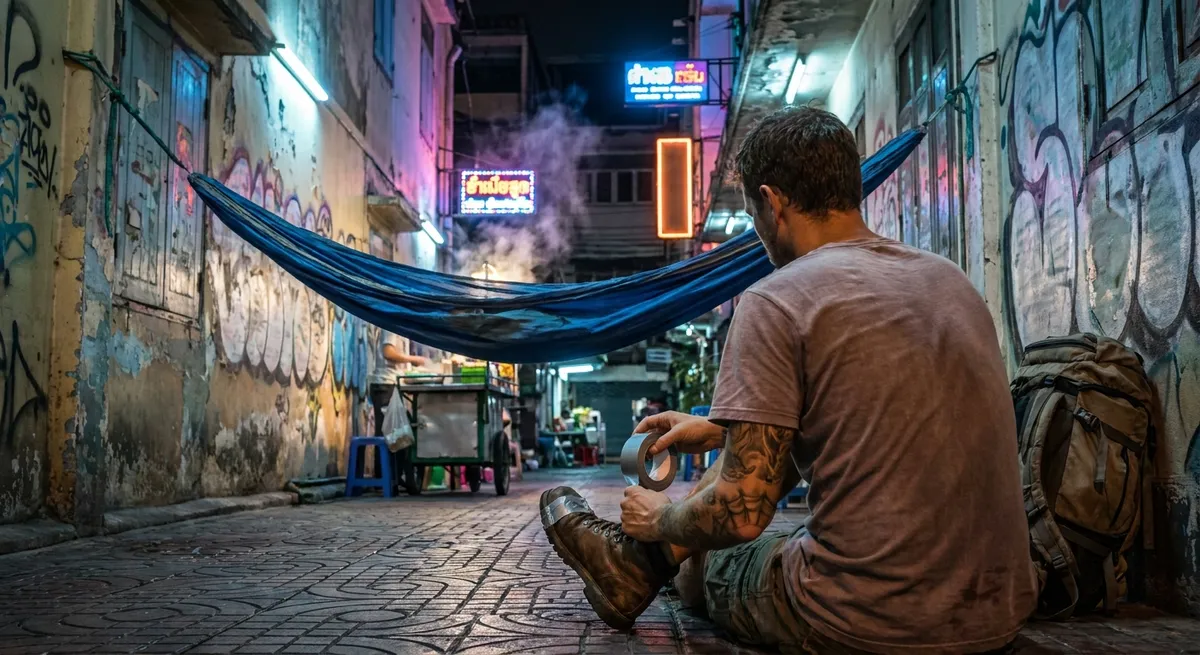
In many cities—from Berlin to Vancouver to smaller, lesser-known metropolises—there are legal or tolerated urban-adjacent camping options: riverbank campgrounds tucked under bridges, rooftop camping on hostels or co-ops, community gardens that rent tiny plots for tent spots, or public lands at the very edge of the metro grid. It’s civilization-adjacent survival mode.
What makes this discovery so fun for budget travelers:
- You’re paying camping rates (or sometimes nothing) instead of city hotel prices
- You can walk or bike into the city center instead of commuting from some cheap distant motel
- You experience the strange twilight zone between glass skyscrapers and dirt under your fingernails
- Night sounds are a surreal mashup of sirens, distant traffic, and maybe a nearby train yard—like sleeping inside a cyberpunk B‑roll
The rules: do your homework. Some countries have “right to roam” or wild camping laws; others absolutely do not. You need to understand where camping is legal, tolerated, or banned, and when in doubt, go official: public campgrounds, park websites, city tourism info. Urban wild camping isn’t about being reckless—it’s about spotting the cracks in the concrete where adventure still fits.
Work-for-Stay Micro Lives: Trading Skills for Shelter
If money is the problem, remove money from the equation.
Across farms, hostels, schools, eco-projects, and family homes worldwide, you can exchange a few hours of work per day for free accommodation and sometimes meals. Platforms like volunteer exchanges, farm networks, and language programs help connect travelers to hosts, but you can also find opportunities by asking local hostels, community centers, or co-ops once you’re on the ground.
What this style of travel gives you:
- Zero or near-zero accommodation costs for weeks or months
- A “temporary life” instead of a weekend trip—same café every morning, same neighbor’s dog, same view
- Instant social circle: other volunteers, staff, and local regulars
- The most chaotic CV line items imaginable, like “built compost toilet in rural Patagonia” or “taught conversational English above a noodle shop”
The catch: this isn’t a free hotel. You show up on time, actually work, communicate clearly, and treat it like a loose, offbeat job. The payoff is waking up one day and realizing you’ve stopped “visiting” and started actually belonging somewhere, however briefly.
The Zero-Itinerary Food Hunt: Eating Like You Live There
Here’s the cheapest way to eat on the road that also accidentally becomes the best: stop looking for “the best restaurant” and look for “where everyone else is already eating for under $5.”
Instead of following guidebook picks (already inflated and tourist-tilted), you build a daily ritual of hunting down:
- Workers’ lunch spots near markets, stations, and industrial zones
- Markets with “eat it now” stalls: steaming bowls, skewers, dumplings, curries
- Bakeries and hole-in-the-wall joints with handwritten menus and zero English
- Food courts, hawker centers, and canteens—locals’ secret social arenas
You set soft rules: no chains, no big signs in English on main tourist drags, no places where the menu has “Instagram” energy. If they serve one or two dishes, it’s usually amazing and cheap. If the line is long and no one is taking photos, you’ve struck gold.
This way of eating:
- Nukes your daily budget while giving you high-calorie fuel for constant movement
- Forces you to practice basic local phrases—numbers, “please,” “delicious”
- Turns every meal into a mini quest instead of an item on a spreadsheet
- Gives you an unfiltered look at local life: office workers on break, families arguing over plates, kids sneaking extra sweets
Food stops being an “experience” you schedule and becomes your default operating system. You’re not a guest at the table; you’re just another hungry human in line.
Conclusion
Budget travel is not a downgrade. It’s a different genre—less luxury resort, more glitch in the matrix. When you start staying in monasteries, drifting on slow boats, camping at the edges of cities, working your way into spare rooms, and eating wherever the line is long and the prices are low, you’re not cutting corners.
You’re stepping into the version of travel that refuses to be sanitized: messy, vivid, full of odd details and strangers who become characters in your life story. You won’t always be comfortable. You will, however, be awake.
Pack light. Spend less. Get into weirder situations on purpose.
Sources
- U.S. National Park Service – Camping & Overnight Stays – Overview of regulations, campground types, and guidelines that illustrate how official sites manage low-cost overnight stays
- Japan National Tourism Organization – Temple Lodging (Shukubo) – Explains how temple/monastery stays work in Japan, including typical facilities and customs
- European Commission – Passenger Rights for Sea and Inland Waterway Transport – Details rights and standards for ferry travel within the EU, useful context for budget ferry journeys
- Visit Greece – Ferries & Island Hopping – Official information on using ferries to travel between Greek islands, including practical considerations
- Singapore Tourism Board – Hawker Culture – Background on hawker centers as everyday, affordable food hubs, illustrating the cultural and budget value of local food courts
Key Takeaway
The most important thing to remember from this article is that this information can change how you think about Budget Adventures.