A plane ticket that costs less than your shoes. A train ride bought with coins you found under a hostel bunk. A day of full-tilt adventure fueled by street food that costs less than your streaming subscription. Budget travel isn’t about deprivation; it’s about hacking the world’s operating system and slipping through the cracks where fun is wildly underpriced. If you’re wired for mischief and allergic to boring itineraries, welcome to the chaos class—where your wallet is tiny, but your stories are feral.
This guide dives into five budget-friendly discoveries that feel like you stole the weekend from a much richer version of yourself. No dull “top ten cheap destinations” here—just scrappy tactics, weird opportunities, and places where the price tag forgot how epic the experience is.
Ticket Hacking the Sky: When Flights Cost Less Than Dinner
The first commandment of chaos-class travel: never accept the first ticket price the internet throws at you. Dirt-cheap flights aren’t mythical; they’re just hiding behind flexible dates, odd routes, and your willingness to let go of “normal” travel patterns.
Start by searching flights in whole months instead of fixed dates. Tools like Google Flights and Skyscanner’s “whole month” or “cheapest month” views reveal weirdly low fares—think Tuesday red-eyes or overnight layovers in cities you didn’t plan to visit but suddenly get to sample. That 24-hour Istanbul layover? It’s not an inconvenience; it’s a bonus side quest.
Budget airlines slash prices if you:
- Travel light (one small backpack, no checked bag, no drama).
- Skip seat selection and let chaos decide where you sit.
- Fly at anti-social hours when normal people want sleep.
To really game the system, treat your trip like modular blocks instead of a single round-trip: book into one city, out of another, and stitch your route with overnight buses or trains. Sometimes two one-ways via a random hub city beat any neat, clean round-trip. You’re not buying flights; you’re building a travel Franken-route that accidentally becomes an adventure in its own right.
Street Food Safaris: High-Risk Flavor, Low-Rent Prices
If you’re eating in tourist restaurants, you’re basically paying extra for chairs and English menus. Budget travelers survive—and thrive—on street food, where a few dollars turn into a feast and your tastebuds sign a liability waiver.
Forget the nervous warnings you’ve been fed. Instead, follow three survival rules:
- Eat where locals queue: Long line, fast turnover, stainless-steel chaos? That stall is moving food too quickly for it to sit around and turn evil.
- Watch one full serving cycle: Stand back, observe. Are they reheating everything? Is water being used sensibly? Do locals look excited rather than resigned?
- Start small, upgrade fast: Begin with grilled, boiled, or fried foods, then graduate to raw herbs, sauces, and salads once your stomach’s made its peace with the local microbes.
This isn’t just about saving money; it’s about culture on hard mode. You’ll learn more from a smoky roadside grill at midnight in Mexico City or a chaotic hawker centre in Singapore than any glossy restaurant. And because street food is cheap, you can sample widely: one skewer here, one dumpling there, one mystery pastry that you only half-translate but fully devour.
Your budget expands in direct proportion to how much you’re willing to sit on plastic stools, share tables with strangers, and point at whatever looks like it might start a small fire in your mouth. That’s not just eating—that’s exploration with spice burns.
Sleeping Strange: Crash Tactics Beyond Boring Hotels
Hotels are where imagination goes to die and your budget goes to scream. If you want maximum story per dollar, you need to start sleeping weird.
Hostels are the obvious entry point: dorm beds, communal kitchens, common rooms full of humans who make terrible but entertaining decisions. But go one layer deeper:
- Look for work-for-stay gigs (like Workaway or Worldpackers) where a few hours of help at a hostel, farm, or eco-project buys you a bed and sometimes meals.
- Check for local-run guesthouses or homestays instead of chain hotels—often cheaper, infinitely more chaotic, and full of local gossip you won’t find on Tripadvisor.
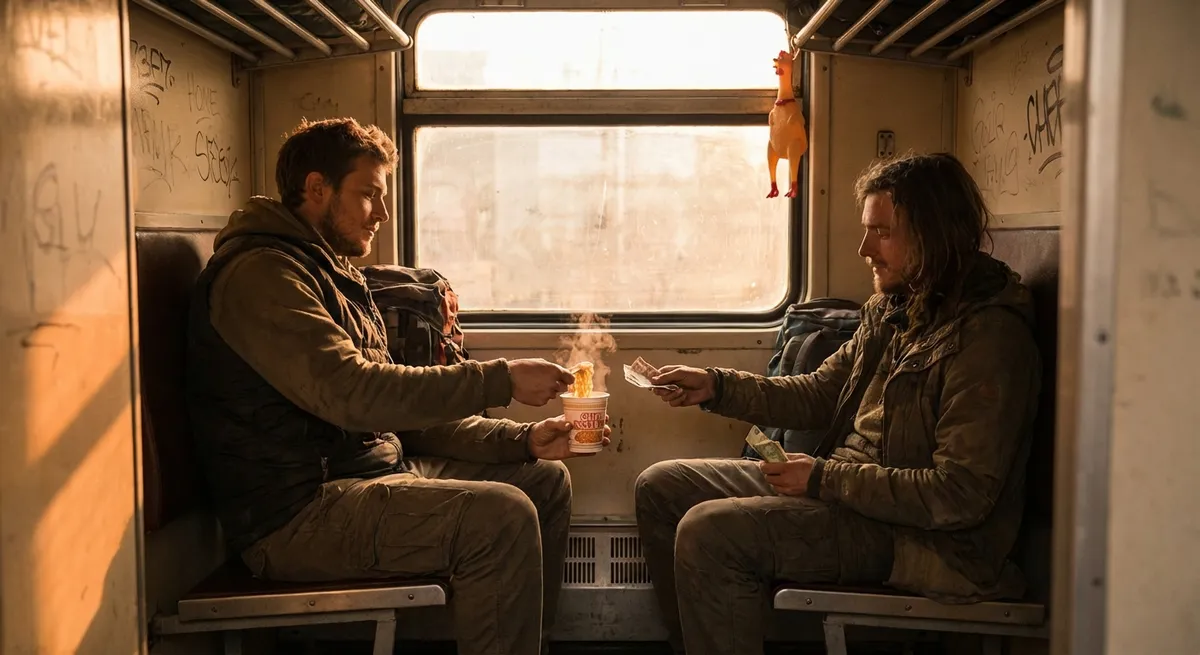
- Try overnight transit—buses, trains, or ferries where your ticket includes a horizontal surface. You pay for transport and “accommodation” at once, and you wake up in a new city slightly confused but richer.
Then there’s house sitting: watching someone’s pets or home for free while they disappear to their own vacation. It feels fake the first time you do it—“wait, I get a whole apartment and a cat in exchange for existing?”—but it’s a legitimate strategy if you’re flexible with dates and locations.
Sleeping cheap is less about comfort and more about connection. Shared kitchens = shared stories. Dorms = unfiltered trip intel. Couchsurfing = hearing what people complain about when the tourists go home. Your room isn’t your refuge; it’s your portal.
Free Adventure Economies: Festivals, Public Spaces, and Underground Events
There is a parallel travel economy where the best things are accidentally free. Not “cheap.” Free. You just have to retrain your brain to hunt for experiences instead of attractions.
Public spaces are your launchpad:
- City parks, riverfronts, and plazas become outdoor theaters, fitness zones, and impromptu concert stages.
- Free museum days or late-night openings slip you into world-class cultural spaces without the admission fee.
- Local festivals and holidays—religious parades, harvest celebrations, independent film screenings, neighborhood street parties—are often 100% free and infinitely better than a paid “cultural show.”
- Scan community boards in cafes and hostels.
- Hunt for flyers in indie bookstores and galleries.
- Follow city cultural centers, public libraries, and tourism boards on social media.
Your job is to eavesdrop on the city:
Then there’s the semi-underground layer: pop-up art shows in abandoned warehouses, tiny concerts in living rooms, skate meetups under highway overpasses. These events are often donation-based or free, shared mostly through Instagram Stories and word-of-mouth. You’re not buying tickets; you’re intercepting signals.
The result? You end up watching a drag show in a Lisbon alleyway, joining a midnight bike ride in Berlin, or stumbling into a poetry slam in Nairobi—all for the price of whatever drink you feel guilty enough to buy.
Micro-Quests: Turn Every City into a Budget-Friendly Game Board
The cheapest way to level up your travel? Stop thinking in “days of sightseeing” and start thinking in quests. Not the kind that need gear and guided tours—the kind that weaponize curiosity and cost almost nothing.
A few micro-quest ideas:
- The Highest Free View: No observation decks or tourist towers. Hunt for free viewpoints—parking garages, hilltop parks, university rooftops open to the public. Your mission: catch sunrise or sunset from a spot no glossy brochure promotes.
- One-Ingredient Pilgrimage: Pick a single local obsession—coffee, dumplings, empanadas, tea, noodles—and spend the day tracking down three wildly different versions across the city. Compare, rate, argue with other travelers in the hostel kitchen about which was best.
- Transit Roulette: Buy the cheapest bus, metro, or tram ticket. Ride in one direction until your gut says “this stop,” then get off and explore a 500-meter radius. Hunt for one snack, one mural, one photo, and one piece of local life that surprises you.
- Zero-Screen Day: Navigate only by paper maps, directions from strangers, and street signs. You’ll get lost, which is precisely the point. Every wrong turn is a bonus level.
These quests turn an ordinary city into a living video game where you play on “hard mode” with minimum money and maximum improvisation. You don’t need a tour; you need a mission. The world stops being something you observe and becomes something you actively hack.
Conclusion
Budget adventure isn’t just “the cheap version” of regular travel—it’s a completely different sport. You’re not politely consuming experiences; you’re breaking into the back door of the world using flexibility, curiosity, and a wallet that refuses to cooperate with tourist pricing.
When you:
- Treat flight routes like puzzles,
- Eat where the smoke and noise are densest,
- Sleep wherever the stories congregate,
- Mine cities for free cultural glitch moments,
- And turn every destination into a playground of tiny quests…
…you stop being a visitor and start becoming a rogue participant. The planet doesn’t just get smaller; it gets weirder, friendlier, and more accessible than anyone with a $300-a-night hotel room will ever understand.
The budget isn’t your limit. It’s your launch code.
Sources
- U.S. Department of Transportation – Air Travel Consumer Reports - Data and guidance on air travel practices, delays, and consumer rights, useful for planning flexible, budget-friendly flights
- Google Flights Help Center - Explains how to use flexible date and destination tools to find lower airfares
- World Health Organization – Food Safety - Provides essential information on minimizing foodborne illness risk, relevant for adventurous street food exploration
- Hostelling International - Overview of hostel culture, budget accommodation options, and shared-travel environments around the world
- UNESCO World Heritage Centre – Events & Activities - Highlights cultural events and activities, many of which are low-cost or free and useful for discovering public festivals and cultural programming
Key Takeaway
The most important thing to remember from this article is that this information can change how you think about Budget Adventures.