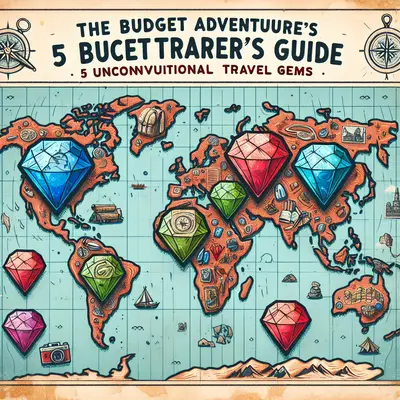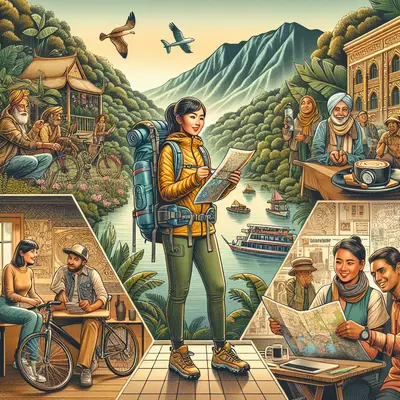
Most people book vacations. You? You reverse‑engineer escapes from spare change and a stubborn refusal to be bored. This is your blueprint for turning bus money, pocket coins, and flex‑time into travel that feels wildly out of proportion to your budget. No matching luggage. No infinity pools. Just five strange, low-cost ways to shake the snow globe of your reality and step into something that feels way too epic for what you actually spent.
How to Travel Like a Mischievous Local, Not a Broke Tourist
The cheapest trips are the ones where you temporarily stop acting like a visitor. That means ditching the “sights” and chasing the life that happens in between: weird backstreets, midnight buses, neighborhood festivals that never show up on glossy travel blogs.
Start by picking a “hub city” that’s famously affordable once you land (think Eastern Europe, Southeast Asia, or smaller Latin American capitals), then ignore 80% of the top‑10 lists. Use them for bearings, not for marching orders. Your real playground is where locals eat, commute, and hang out for free: riverfront promenades, chaotic markets, public parks at sunset, and commuter ferries that cost less than a coffee.
The trick: aim for density of experience, not distance traveled. A week squeezed into one deep, walkable city will feel richer—and cheaper—than five rushed countries on discount flights. Your budget wins, and so does your sense of immersion.
Discovery #1: Ride the “Wrong” Train and Turn Transit Into a Story Engine
Most travelers treat trains, trams, and ferries like loading screens between “real” experiences. Flip that. In many countries, slow local transit is the cheapest, strangest, and most human adventure you can have for pocket change.
Instead of booking the sleek tourist express, look for:
- Regional commuter trains
- Third‑class or “ordinary” services
- Public ferries instead of tourist cruises
Pick a direction, ride to the end of the line, and get off wherever the tracks give up. In Eastern Europe and parts of Asia, a slow train ticket can be cheaper than lunch, and you’re suddenly deep in small‑town reality: faded stations, improvised market stalls, and people who are very curious why you’re there without a rolling suitcase or a group tour badge.
To keep it budget‑proof: buy food where locals do (station kiosks, corner bakeries, market stalls) and bring cash in small bills. This is not the realm of tap‑to‑pay. Your “splurge” is time, not money—three hours on a rattling train with open windows and no itinerary is the kind of memory that outlives fancy rooftop bars.
Discovery #2: Hack Urban Wilderness and Sleep Cheap (Legally)
You don’t need remote jungles for adventure; most cities secretly leak into wildness at the edges. Riverbanks, hilltop forests, abandoned fortifications, floodplains, and long‑distance walking trails often start shockingly close to downtown and cost you nothing but sweat.
Here’s the move: pick a budget‑friendly city, then zoom out on a map until the gray turns green or blue. Look for:
- National or regional parks reachable by local bus
- Long-distance trails that skirt the city
- Lakes, reservoirs, and rivers with public access
Spend the day hiking or swimming, then crash cheap back in the city—hostels, guesthouses, or room shares—where food, transport, and accommodation are all priced for residents, not resort guests. It feels like you teleported between two worlds: urban chaos by night, semi‑wild by day, and your wallet barely notices.
Check local rules before any kind of camping: in some countries, wild camping is partly allowed with conditions; in others, it’s banned. Even without a tent, you can build “urban-wild circuits”: hike all day, return by bus, shower, street food, sleep. Repeat. Your budget stays tame; your legs don’t.
Discovery #3: Surf the Festival Undercurrents Without Paying Headliner Prices
Big-name festivals destroy budgets. But the ecosystem around them—side events, neighborhood parties, free performances—is often electric, cheap, and way less controlled. If a city is hosting a major cultural or music festival, there’s a good chance the streets are throwing a parallel, low-cost party.
Here’s how to mine it:
- Show up early or stay late: pre‑shows and closing nights can be cheaper or free
- Scan local event boards, social media, and community centers for fringe events
- Chase street performances, parades, food fairs, and public concerts
You might not get inside the giant stadium or main hall, but you’ll stumble into spontaneous rooftops, micro‑venues, or back‑alley shows where the ratio of money spent to chaos experienced is wildly in your favor. Food trucks, temporary markets, and pop‑up art installations turn entire neighborhoods into a running spectacle.
Book basic accommodation far enough away from the main festival zone that prices drop, then commute in like a local. You’re not paying for the badge—you’re riding the wake.
Discovery #4: Turn Border Towns Into Low-Budget Parallel Universes
Most travelers blast through borders like they’re boss levels in a video game: stamp, sprint, next. Big mistake. Border towns are glitch zones where cultures blend, currencies collide, languages overlap, and prices often undercut both sides. For budget travelers, they can be a goldmine.
Instead of treating the border as friction, make it the destination. Spend a night or two on either side and notice:
- Hybrid markets where you can taste two (or more) countries on one plate
- Currency quirks that make certain goods surprisingly cheap
- Informal bus routes and shared taxis that locals use instead of overpriced transfers
You might find yourself eating one country’s street food while listening to the next country’s radio and paying in whichever currency the vendor feels like accepting. It’s chaotic, yes, but it’s also where you can unpack a lot of culture in a small, affordable radius.
Watch for safety and scams—border zones can be intense. Stick to daylight exploration, well‑used routes, and accommodation with consistently good reviews. You’re there for the cultural crossover and local prices, not to star in a true crime documentary.
Discovery #5: Reverse‑Engineer a Trip Around One Cheap Obsession
Budget adventures get powerful when you organize the whole trip around one oddly specific, low-cost obsession. Not “see Europe,” but “ride every funicular I can find.” Not “visit Asia,” but “hunt down the quietest morning markets.” The narrower your quest, the weirder—and cheaper—your story gets.
Pick something simple that doesn’t require big admission fees:
- Public viewpoints or hilltop lookouts
- Street art or brutalist architecture
- Local bakeries or regional pastries
- Vintage bookstores, flea markets, or night markets
Then design your days around that thread. Use it as an excuse to cross neighborhoods and suburbs tourists never see. You’ll ride local buses, follow tips from people who actually live there, and collect a mental map tied to something charmingly specific instead of “here’s another big plaza.”
Because your core activity is cheap or free, your budget stays on life support while your experience feels intensely curated. You come home not just “from X country” but from “the trip where I hunted down every riverside sunset spot locals tried to keep for themselves.”
Conclusion
Travel doesn’t need a luxury budget; it needs a willingness to follow strange side doors and say yes to the parts of a place that weren’t built for you. Ride the wrong train on purpose. Treat the city edge like a national park. Haunt festival fringes instead of front rows. Linger in borderlands. Build pilgrimages around tiny obsessions.
You’re not chasing postcard perfection. You’re rewiring your sense of what a “trip” can be—with the kind of scrappy, feral, low-cost adventures that make regular vacations look painfully tame.
Sources
- U.S. National Park Service – Trip Planning & Safety - Guidance on planning safe, low-cost outdoor adventures and understanding public land rules.
- European Commission – Rail Travel in Europe - Overview of European rail systems, including regional and local services that are often budget-friendly.
- Lonely Planet – Budget Travel Tips - Practical strategies for keeping costs low while maximizing travel experiences.
- Nomad List – Cost of Living and Travel Data - Crowd-sourced cost estimates for cities worldwide, useful for picking affordable “hub” bases.
- BBC Travel – The Allure of Border Towns - Exploration of culture, identity, and life in border regions, informing the border-town travel angle.
Key Takeaway
The most important thing to remember from this article is that this information can change how you think about Budget Adventures.