Everyone says travel is expensive. Everyone is wrong. The trick isn’t to “save more” so you can copy the same over-filtered vacations everyone else posts. The trick is to weaponize your small budget into something weirder, closer, and far more intense than a resort ever will be.
This isn’t about discount buffets or finding the cheapest hostel bunk. This is about discovering travel loopholes, strange side doors, and low-cost experiences that feel outrageously oversized for the money you spend. Pack light, spend less, feel more.
Turning Transit Into Adventure Instead of Dead Time
Most people treat transportation like a necessary evil: get in, zone out, arrive, forget it happened. That’s a waste—especially on a budget. When your funds are tight, the journey has to earn its keep.
Night buses and sleeper trains can be your moving hostel if you choose routes with real scenery and frequent stops in smaller towns. In places like Southeast Asia, Eastern Europe, and parts of South America, you can chain together bus routes not just to save money, but to string micro-adventures: an early morning stop at a chaotic market, a roadside shrine, a surprise conversation with someone who’s never met anyone from your country. Ferries and slow boats, especially in archipelago nations, are often cheaper than flying and drop you into communities that package tours skip completely.
Look for regional passes and off-peak tickets that reward flexibility over comfort. Long layover? Treat it as a free bonus city—stash your bag in a locker, grab street food, and power-walk a mini walking tour. When you start seeing transit as a roaming basecamp instead of a chore, your budget stretches and your story deepens.
Hacking Cities Through Their Free Obsessions
Every city has something it loves so much it accidentally made it free or cheap. Your job is to find that obsession and ride it.
Walkable cities with strong public spaces—think big parks, waterfronts, pedestrian streets, and free viewpoints—basically beg you to wander all day without spending anything. Public museums with free days or pay-what-you-want hours are cultural cheat codes; build your itinerary around those calendars, not around TikTok-famous cafés. University towns are especially generous: free lectures, public art, cheap canteens, and bars where you can buy one drink and sit for hours listening to bands that might be famous in five years.
Pay attention to local community centers, libraries, and cultural institutes—these host free events, film nights, language exchanges, and festivals that tourists rarely see. In some countries, church concerts, religious festivals, and seasonal parades are essentially giant, open-to-all performances. Instead of paying for “cultural shows,” go where locals gather for their real celebrations. You’re not cutting costs; you’re cutting the fake stuff.
The Joy of Sleeping in Almost-But-Not-Quite Normal Places
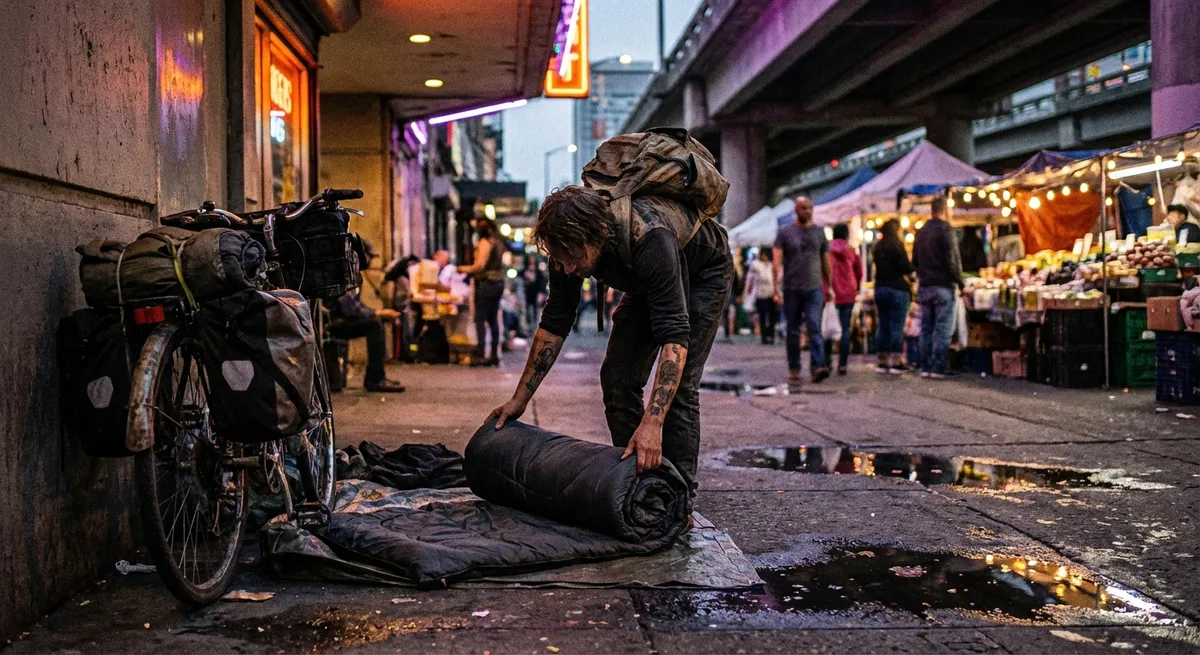
Budget travel doesn’t have to mean grim bunk beds and 3 a.m. snorers. Think weirder. Think in-between spaces that aren’t quite hotels, but aren’t exactly roughing it.
In some regions, rural guesthouses, monastery stays, farmstays, and community homestays cost less than big-city hostels while giving you a front-row seat to daily life. You might sleep in a creaky wooden house above a chicken coop, or in a spare room of a family apartment where breakfast is whatever they were already making. Cabin-style campgrounds, municipal shelters on long-distance trails, and simple bungalows near national parks can be far cheaper than beach resorts and more peaceful than urban dorms.
Vehicle-free doesn’t have to mean romance-free: in countries with strong rail or canal traditions, basic sleeper cabins or overnight boat cabins can be cozy, surreal, and cheaper than staying a night in a city. Always look for what locals use on weekends: fishermen’s huts, cheap mountain refuges, surf shacks, bunkhouses near climbing crags. They’re not marketed to you—but that’s exactly why they’re affordable.
Eating Like a Local Without Playing “Budget Tourist”
Food is where most budget travelers accidentally punish themselves: they either overspend trying every hyped spot, or underspend living on sad supermarket bread. There’s a middle way that’s cheaper, better, and much more fun.
Hit markets early, not just to save money but to watch the city wake up. Buy what locals are actually queuing for: a single hot dish, fresh fruit, whatever’s coming off the grill. Street food is rarely designed for tourists; it’s designed to feed people fast, daily, and cheap. Use your big meal as a midday refuel instead of dinner—lunch menus are often discounted versions of the same dishes. Then graze in the evening on snacks, picnic-style, somewhere with a view.
Instead of chasing “must-try” restaurants, look for where construction workers, taxi drivers, or grandmothers are eating. Buffets priced by weight, cafeteria-style neighborhood places, and worker canteens can be a few coins for a full plate. If your accommodation has a kitchen, cook once with local ingredients and stretch it for two days. You’re not just saving money; you’re tuning into the daily rhythm of eating in that place, not performing “foodie” tourism.
Micro Adventures: Big Thrills With Almost No Gear or Cash
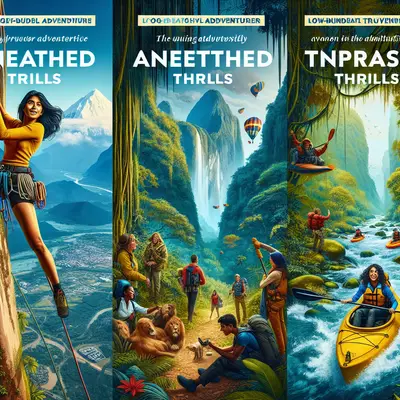
You don’t need a guided expedition or rental SUV to feel like you’re out on the edge of the map. You just need to start looking for low-cost micro adventures hiding in plain sight.
Scan local hiking or walking trail networks—many cities have trails starting right at the edge of town, accessible by cheap public transport. Half-day or sunrise hikes, urban river walks, and coastal paths cost basically nothing and deliver better memories than most paid attractions. In regions with strong outdoor culture, you’ll find via ferrata routes, public climbing walls, and marked cycling routes where you can rent a bike for a few hours instead of a full tour.
Look for free or donation-based activities: community-led walking tours, open climbing meetups, wild swimming spots, or public hot springs where locals soak after work. Outdoor gear libraries, rental cooperatives, or university clubs sometimes rent or lend equipment far cheaper than tourist shops. The goal isn’t extreme sports for Instagram; it’s about stacking small, high-intensity, low-cost experiences until your “cheap trip” quietly becomes the adventure you remember for a decade.
Conclusion
Budget travel isn’t a consolation prize—it’s the version where the script falls apart and you get to improvise. When you stop chasing “must-see” lists and start chasing loopholes, public spaces, local fixations, and micro adventures, your money stops feeling like a limitation and starts feeling like a game.
You don’t need more cash. You need more curiosity, more flexibility, and a willingness to say yes to the odd, the almost-free, and the slightly uncomfortable. That’s where the good stories live.
Sources
- World Tourism Organization (UNWTO) – Tourism Data Dashboard - Global tourism statistics, including trends in international arrivals and spending patterns
- OECD – Tourism Trends and Policies - Analysis of tourism development, including city tourism, cultural travel, and transport impacts
- U.S. National Park Service – Plan Your Visit - Official information on free/low-cost outdoor recreation options and park access
- European Commission – DiscoverEU & Youth Travel Initiatives - Example of budget-friendly rail-based exploration and youth mobility in Europe
- Lonely Planet – Budget Travel Tips - Practical guidance on low-cost transport, accommodation, and eating strategies around the world
Key Takeaway
The most important thing to remember from this article is that this information can change how you think about Budget Adventures.