Travel on a budget doesn’t have to mean dorm bunks, beige hostels, and the same “Top 10 Things to Do” list everyone else is doomscrolling. You can spend almost nothing and still feel like you’ve glitched into a private universe—if you’re willing to bend your habits instead of your credit card.
Below are five strange, budget-friendly discoveries that twist ordinary places into full‑blown adventures. None require being rich, famous, or particularly sensible—just curious, mobile, and a little stubborn.
1. The “Night-Shift City” Trick: Explore When Everyone Else Is Asleep
Most travelers burn their budget in daylight—cafés, attractions, tours. The city’s on‑duty, and so are the prices. Flip the script: explore between 11 p.m. and sunrise and the rules change.
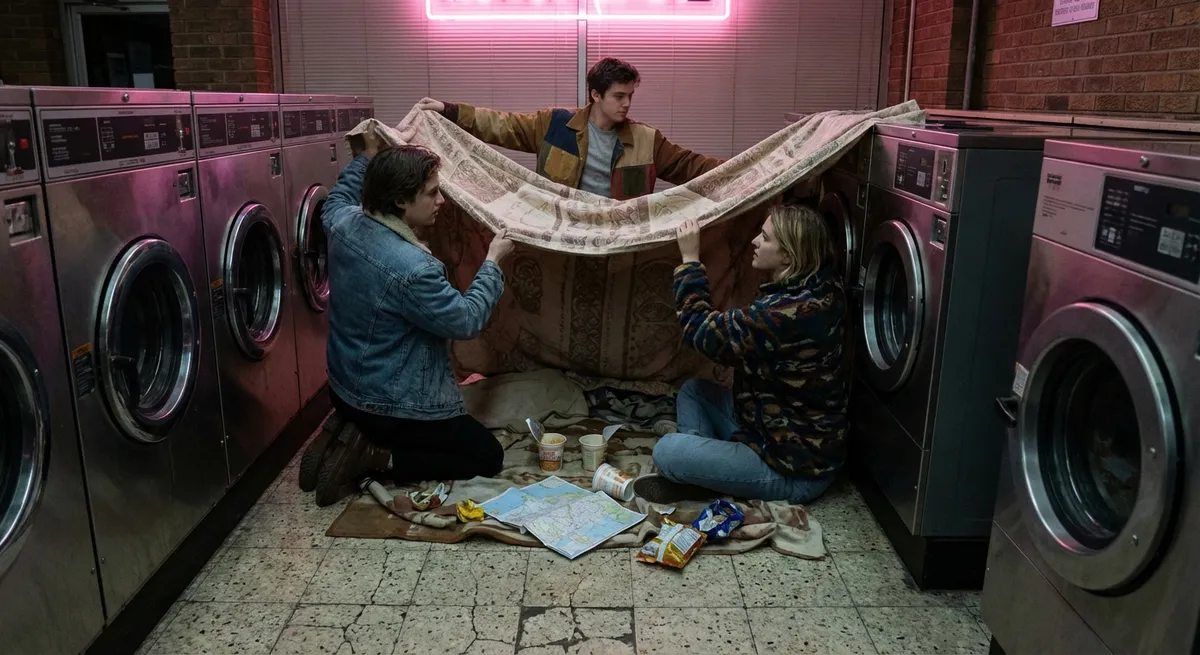
Wander through business districts at midnight when the skyscrapers are mostly dark and the streets feel like a movie set built just for you. Train and bus stations at 3 a.m. are liminal worlds: night workers grabbing coffee, cleaners resetting reality for the morning rush, travelers in transit half-dreaming in plastic chairs. Take the last metro or local bus to the end of the line just to see where the city trails off into residential edges or industrial nothingness—still on a cheap fare, but worlds away from the postcard center.
Night exploration massively reduces your impulse spending: no shops luring you in, fewer tourist traps open, just you and the skeleton of the city. Pack your own snacks, a thermos, and a fully charged phone. Mark late‑night safe zones in advance—24‑hour diners, big train stations, or hospital lobbies—places where humans are always awake and there’s light, warmth, and Wi‑Fi if you want to regroup. You’re not paying for “experiences”—you’re drifting through the city’s backstage.
2. The Zero-Itinerary Route: Ride the Cheapest Line to Its Weirdest End
Point A to B is for people on schedules. You’re here for Point “What on earth is this place?” Pick the cheapest, longest public transport line you can find—tram, metro, bus, ferry—and ride it to the very last stop. That’s your destination.
End‑of‑line areas are where a city’s mask slips: half‑finished suburbs, shipyards, forgotten parks, sleepy villages nobody bothered to promote. This is where kebab shops double as community centers, kids play football in dusty lots, and grandmas run micro‑markets out of garage doors. You’ll find real prices, real food, and real human weather, not tourist‑taxed menus in six languages.
To do this on a budget without being careless, prep the basics: download offline maps, learn how to say “bus stop,” “station,” and “return ticket” in the local language, and screenshot return times so you don’t get stranded. Bring cash in small bills for corner shops and hole‑in‑the‑wall bakeries. Your “tour” becomes the price of a transit ticket and maybe a pastry or two, but the mental souvenirs are massive.
3. Micro-Missions: Turn Free Places into High-Stakes Quests
Free places are everywhere—parks, public libraries, markets, rivers, university campuses—but they feel background‑noise boring because we treat them like scenery instead of story. Turn them into a mission and suddenly you’re main‑charactering your life for almost zero money.
Pick a city park and give yourself a quest: “Find the quietest bench in this entire park,” or “Map every fountain and decide which one feels haunted.” Hit a flea market and hunt specifically for three objects: something handmade, something that looks cursed, and something you can wear as part of your “road persona.” On a riverfront, walk until you find the most unphotogenic spot—industrial pipes, cracked concrete, awkward angles—and try to frame it like an art shot. Your wallet stays practically untouched; your brain gets a full workout.
You’re not just walking—you’re scanning, decoding, judging, inventing stories. This style of travel pulls you into hyper‑attention mode: listening to snippets of conversation, clocking rituals, noticing tiny cultural glitches (why does everyone here line up this way? why are there three barber shops on one corner?). Adventure shifts from “paying for activities” to “weaponizing curiosity,” which is conveniently free.
4. Campus Surfing: Live Like a Local Without Paying Local Prices
University areas are often the cheapest, weirdest, most alive districts in a city—and wildly underused by travelers. Where there are students, there are student prices, experimental ideas, and events that don’t care if you showed up with a backpack and fifty bucks.
Instead of orbiting the old town or tourist center, pull up a map and find the main university campus. Walk its perimeter. Here you’ll often find low‑cost canteens, pop‑up art shows, indie cinemas, protest posters doubling as a social calendar, and bulletin boards crammed with free or pay‑what‑you‑want events. Student bars serve cheaper food and drinks; co‑ops and community spaces may offer shared meals or skill‑swap nights. You’re unofficially auditing the city’s brain.
To travel this way responsibly, respect that you’re a guest in someone’s everyday world. Don’t crash into closed lectures or private student spaces, and learn local etiquette (quiet zones in libraries, codes for dining halls). But many universities open their museums, galleries, and gardens to the public either free or for token fees. That’s high‑level culture at the price of a bus ticket and a sandwich, plus the thrill of feeling like you stumbled into an alternate life you could be living here.
5. Free-Edge Nature: Chase the Borders Where Wild and Manmade Collide
You don’t need far‑flung national parks or expensive guided tours to get a jolt of wilderness. Almost every city has “edges”—rivers that slip out of town, hills where the suburbs give up, tidal flats beyond the last house—that cost nothing and feel like you’ve stepped off the grid.
Use satellite view on online maps and sigh at the big blotches of green or blue near your destination: unlabeled woods, utility corridors, canals, old railway lines. These are your budget adventure zones. Walk or bike out until the neat geometry of the city breaks down into scrub, powerlines, and random fishing shacks. These edge‑lands are where people jury‑rig their lives—DIY gardens, hidden swimming spots, makeshift shrines, graffiti underpasses, informal picnic zones. Zero entry fee, infinite weirdness.
But don’t switch off your brain just because it’s “natural.” Check local guidelines on access: some land is protected, private, or dangerous (flood zones, unstable cliffs, restricted industrial areas). Dress like weather is out to get you, carry water, and screenshot local emergency numbers. You’re not going into full survival mode—you’re just finding those liminal pockets where humans and landscape haven’t quite agreed on who’s in charge yet. The best budget adventure is one you can afford to remember.
Conclusion
Budget travel stops being about “what you can’t afford” the moment you stop buying prepackaged experiences and start treating the world like a playable map. Ride transit to the end of the line just to see what’s there. Turn free spaces into quests. Haunt campuses. Walk the seams where cities fray into wild.
You won’t come home with luxury receipts or a sanitized highlight reel—but you will return with a warped sense of what’s possible, a better understanding of how people actually live, and stories that sound slightly illegal even when they’re not. That’s budget adventure: not less travel, just weirder, sharper, and unapologetically your own.
Sources
- US National Park Service – “Find a Park” - Useful for locating free or low-cost public lands and urban-adjacent parks in the United States.
- European Commission – Public Transport in the EU - Overview of public transit systems and policies that support cheap, widespread mobility—helpful context for using buses, trams, and metros as budget exploration tools.
- MIT OpenCourseWare – About OCW - Example of how universities often open up resources and spaces, mirroring the broad public access many campuses offer in person.
- BBC Travel – “Why night walks are the new going out” - Explores night-time walking as an emerging form of adventure and reflection, supporting the idea of “night-shift city” exploration.
- Centers for Disease Control and Prevention – Traveler’s Health - Authoritative guidance on staying safe and prepared while traveling, especially when venturing into less structured or off-hour environments.
Key Takeaway
The most important thing to remember from this article is that following these steps can lead to great results.