Everyone’s arguing about inflation, luxury travel is flexing on Instagram, and yet a weird little corner of the internet is obsessing over something else entirely: cheap things that feel expensive. A trending BoredPanda piece, “20 Toys Under $20 That Look Way More Expensive And Fun Than They Actually Are,” just went viral by proving a savage truth: price tags lie, curiosity doesn’t. Kids will ignore the $200 gadget and worship the $3 spinning thing that came in questionable packaging.
So let’s steal that energy for travel.
If the internet is losing its mind over toys under $20, you can absolutely design an adventure that feels first‑class on a cardboard‑box budget. Think of this as the “toy aisle” version of travel: low cost, high chaos, big joy. No luxury lounges. No infinity pools. Just a handful of wildly underpriced experiences that punch way above their weight.
Below are five budget adventures that follow the toys under $20 logic: dirt‑cheap, visually epic, and engineered to make your friends ask, “Wait, how much did that cost you?”
1. The $5 Night Market Feast That Destroys Fancy Restaurants
The toy article proves it: humans (and especially kids) don’t care what something costs—they care if it’s fun. Swap toys for food and you’ve got Asia’s night markets, Latin American street stalls, and Eastern European bazaars laughing in the face of fine dining.
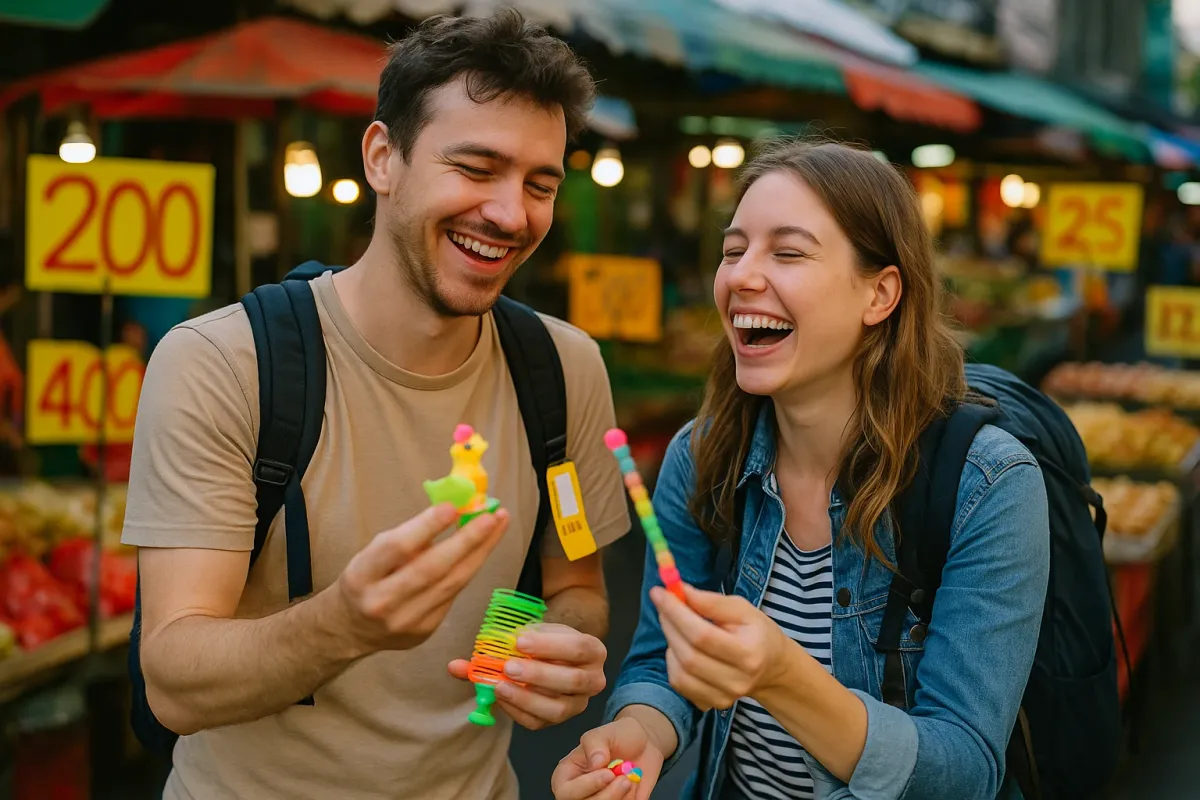
Skip the white tablecloths and hunt for spots where locals are standing in confusing, noisy lines under harsh fluorescent lighting. In Bangkok, $1 mango sticky rice beats half the hotel buffets. In Mexico City, a few pesos and a tiny plastic stool unlock tacos al pastor sliced fresh off the trompo like culinary performance art. In Tbilisi, Georgia, cheeky vendors will shove you free samples of churchkhela (those candle‑shaped nut candies) until you crack and buy a bag for the price of a latte back home.
Treat each stall like a “toy under $2.” Your goal isn’t the best meal—it’s the most surprising one. Give yourself a strict food budget for the entire night (say, $10–$15 total) and see how many snacks, drinks, and chaotic conversations you can collect before your cash and stomach are both done. You’re essentially speed‑running a tasting menu the Michelin Guide will never touch—and that’s the point.
2. The Bus Ride That Turns Into A Moving Documentary
Those viral “cheap but amazing toys” are all about rethinking boring objects: a wooden block that becomes a spaceship, a plastic ring that becomes a battle arena. Public buses are the travel version of that—mundane on paper, quietly wild in reality.
Instead of dropping your soul and savings on a guided coach tour, hop on whatever public transport locals are using to flee the city on weekends. In many countries—Portugal, Turkey, Vietnam, Poland, Colombia—a couple of dollars gets you a front‑row seat to everyday life: grandparents hauling produce, students half‑sleeping into their phones, snack vendors storming the aisles every time the bus slows down.
Here’s the game: ride end‑to‑end. Don’t bail early. Wherever it stops, that is your micro‑adventure hub for the day. Maybe it dumps you at a random village festival you didn’t know was happening. Maybe you’re standing on the edge of an unlisted beach with only stray dogs and one melancholic ice‑cream cart. Make a rule: no taxis back. Figure out the return using only whatever signs, hand gestures, and spontaneous friendships you can scrape together.
That $3 bus ticket? It’s the cheapest immersive documentary you’ll ever star in.
3. The Thrift‑Store Expedition That Replaces Souvenir Shops
The trending toy list is basically a masterclass in “looking richer than you are.” Travel souvenirs can do the same. The trick: absolutely avoid airport gift shops and tourist markets that all sell the same mass‑produced “handmade” magnets.
Instead, raid thrift stores, flea markets, and charity shops wherever you land. In many European cities, thrift shops are full of weirdly elegant old glassware and linen for under €5. In South America, secondhand stores often stash retro football jerseys and vintage jackets you’d pay ten times more for on Depop. In smaller towns worldwide, rummage markets are treasure chests of old maps, political posters, and bizarre ceramics nobody had the heart to throw away.
Turn it into a challenge with a strict cap: nothing over the equivalent of $5. The goal is not “cute” souvenirs—it’s objects that tell on the place: an old bus ticket booklet, a local band cassette, a faded tourism poster from the 80s. Photograph them in context before you buy them—on the wall, in the bin, in the dusty store window—so you remember the exact moment you stole them back from oblivion.
Your friends come home with the same airport keychain. You come home with a stranger’s history, for pocket change.
4. The Free‑Viewpoint Hunt That Outsmarts All Rooftop Bars
Kids don’t pay extra to play—play just happens wherever there’s space. Same rule for views: the world is covered in free viewpoints, but travel ads keep pushing $30 rooftop cocktails and “observation decks” like you’re paying to unlock a video game map.
Instead, build a viewpoint scavenger hunt everywhere you go. Before you arrive in a city, look up public parks on hills, church towers with tiny entry fees, university rooftops that are open to students (and “students”), and multi‑story parking garages with open top levels. In many places—Athens, Sarajevo, Valparaíso, Naples—climbing a random staircase can drop you into a panoramic city view that nobody’s monetized yet.
Set yourself a maximum “view budget” of $5. If a spot charges more than that, skip it. Prioritize places people actually use: dog‑walking paths, teen hangout ledges, basketball courts with skyline backdrops. Show up for golden hour with a grocery‑store picnic instead of a rooftop reservation. While everyone else tags the same bar with the same drink, you’ll be watching the sunset with stray cats, kids on scooters, and one old guy who’s been sitting on the same bench since the 90s.
The likes don’t care if the horizon was photographed from a bar or a parking garage. The story is better from the cheap seat.
5. The Zero‑Gear Adventure: Turning $20 Toys Into Travel Tools
That viral toy article highlights an absurd truth: almost anything can be fun if you reframe it. Apply that to “gear culture,” where travelers are pressured to drop hundreds on equipment they’ll use twice. Spoiler: you don’t need it. You need a mindset and maybe one ridiculous object.
Next time you travel, bring one cheap, highly portable “toy” and see how many problems it can solve. A $5 kite? Suddenly you’re making instant friends with kids on a windy hill in Lisbon or a beach in Sri Lanka. A bright jump rope? Morning cardio in random plazas, instant icebreaker with bored teens who want to try tricks. A deck of cards turns train delays into mini casinos (with snacks as currency). A $3 inflatable beach ball creates a pickup game in any hostel courtyard, stadium lighting not included.
The rule: your “gear” must fit in a daypack, cost under $20, and be shareable with strangers without language. Document how many countries, beaches, squares, and bus stations it survives. Give it away at the end of the trip—like a traveling talisman passed on to the next broke explorer.
Instead of hauling status gear you’re scared to damage, you carry something proudly cheap that’s designed to get scuffed, lost, scribbled on, and remembered.
Conclusion
The internet’s current obsession with “toys under $20 that look way more expensive and fun than they actually are” is really just a blueprint for how to travel right now, when everyone’s loudly broke, quietly restless, and still scrolling for the next escape.
Travel doesn’t get legendary because it’s luxurious. It gets legendary because it’s disproportionate: a tiny price for an outsized story. A $5 meal that becomes your new comfort food. A $3 bus ride that reprograms your sense of direction. A thrift‑store find that outlives every airport souvenir. A free skyline view that stomps all the rooftop bars. A cheap “toy” that accidentally becomes the heart of your trip.
If brands can make kids worship cardboard and plastic, you can absolutely turn coins and curiosity into your next no‑way‑this‑was-so-cheap adventure.
Key Takeaway
The most important thing to remember from this article is that following these steps can lead to great results.