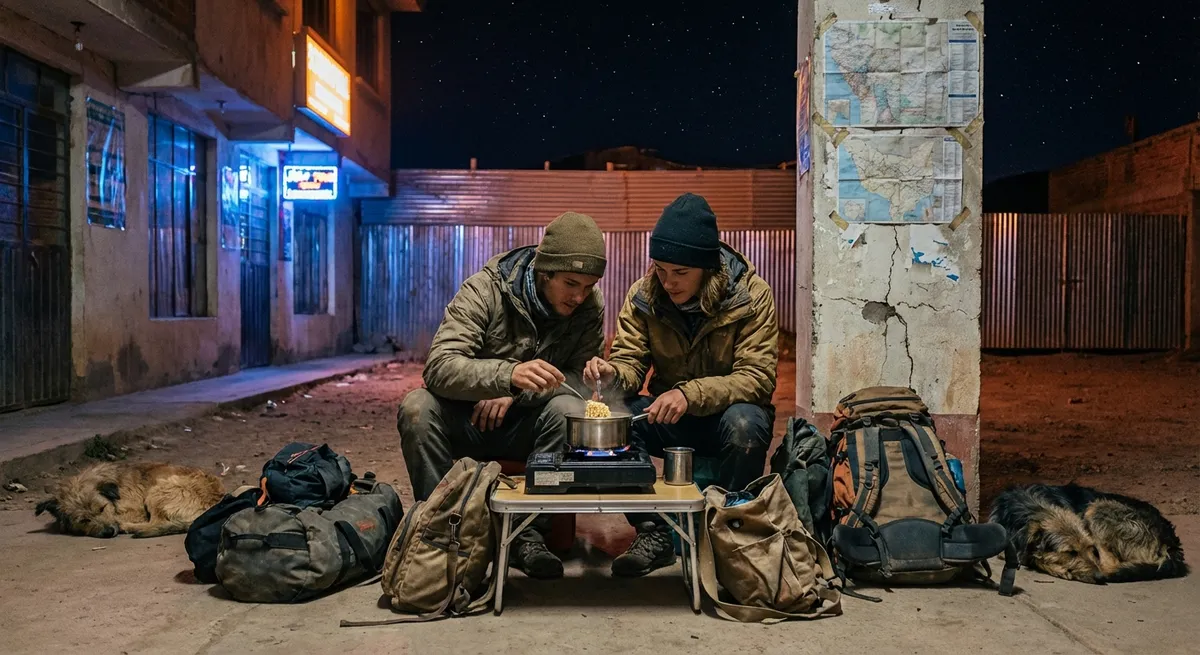
Most people think “budget travel” means sad hostel bunk beds, instant noodles, and staring longingly at the tours you can’t afford. That’s not this. This is the version where you slip into local life, tap into weird opportunities, and collect stories that sound mildly illegal (but aren’t) for less than the price of a fancy brunch.
You don’t need a trust fund to travel like a maniac. You just need to know where the loopholes live.
Below are five budget-friendly discoveries that turn “I’m broke” into “I’m unstoppable.”
1. The Overnight Ride Trick: Turning Transit into a Free Hotel
Beds are expensive. Moving vehicles exist. Merge the two and you’ve just hacked one of travel’s biggest costs.
Instead of booking both accommodation and transport, line up overnight buses, trains, and ferries so your “hotel” is also your highway. Long-haul bus networks in places like South America, Southeast Asia, and parts of Europe have surprisingly comfortable night routes with reclining seats, blankets, and Wi‑Fi. It’s not exactly luxury, but it is a moving bed that drops you in a new city by sunrise.
You win twice: you save a night’s accommodation and you reclaim daytime hours for exploring instead of staring out of a window. Night trains in Europe, for example, can be cheaper than a hotel if you book basic couchettes or second-class sleepers early. Same logic applies to ferries in Greece or Indonesia—deck class or simple cabin + ocean + sunrise = better than any beige hostel hallway.
To pull this off without wrecking yourself:
- Alternate heavy overnight rides with chill days so you don’t morph into a travel zombie.
- Pack a sleep kit: eye mask, earplugs, a hoodie as a pillow, and a big bottle of water.
- Book directly from official operators or verified platforms to avoid scams.
- Screenshot your tickets offline; Wi‑Fi dies right when the ticket inspector appears.
You’re not “stuck on a bus.” You’re horizontal, heading somewhere new, and getting paid in distance for the price of a movie ticket.
2. Festival Surfing: Crashing Local Celebrations on a Micro-Budget
Forget pricey concerts and tourist shows. Almost every country on Earth throws large-scale festivals where the entry fee is basically “show up and don’t be boring.” If you time your trip right, these events become your nightlife, cultural immersion, and social life rolled into one—often at zero cost.
Religious processions, harvest celebrations, seasonal parades, national days: they’re usually free to attend and loaded with street food, music, and public performances. Think night markets in Asia, town fiestas in Latin America, regional fairs in Europe, and national holidays anywhere. Instead of paying for entertainment, you just ride the existing chaos.
To turn this into a budget adventure strategy:
- Research national holidays and festivals before booking flights; aim to land right before big events, not right after.
- Prioritize small or mid-sized cities over capitals for festivals—lower prices, more authentic vibes, and fewer “tourist traps.”
- Eat where the lines are long and the menus are short. High turnover usually means safe, fresh, and cheap.
- Learn three phrases in the local language: hello, thank you, and “this is amazing.” People will feed you more.
Festivals hand you built-in connection. You’re not a tourist watching; you’re a temporary extra in someone’s hometown story, spending pocket change to be there.
3. Shadow Routes: Following Commuters Instead of Guidebooks
Most “top sights” have one thing in common: they’re built to vacuum money from tourists. Step three streets away and prices—and experiences—change completely.
The cheapest, weirdest, and most authentic way to explore a city is to follow the commuter routes, not the curated ones. Wherever locals are moving in herds at 8 a.m. and 6 p.m., life is happening at full speed—on the bus, in metro stations, in corner bakeries, in park benches covered with half-finished conversations.
This is how to run the “shadow route” play:
- Ride public transit to the end of the line—bus, tram, or metro—and get off where the tourists stay on. Walk back toward the center slowly.
- Eat where menus are only in the local language and chairs don’t match. Bonus points if they look mildly offended you found the place.
- Map out big markets, not shopping streets. Farmer’s markets, wholesale districts, and local bazaars are usually drastic budget wins.
- Sit in public parks and squares for an hour with a cheap snack. People-watching is free anthropology.
You might skip the postcard view, but you’ll gain the memory of an old man teaching you a card game, a stranger insisting you try the “real” version of a dish, or kids explaining the rules of a game you instantly lose. Those are better souvenirs than keychains.
4. Skill Swaps and Short-Term Volunteering: Trading Talents for Beds
Hostels and jobs aren’t your only options. There’s a whole ecosystem of work exchanges and micro-volunteering gigs where you trade time or skills for a place to sleep, sometimes with meals thrown in.
Think teaching English conversation to a family for a couple hours a day, helping a small guesthouse with social media, painting murals in a hostel, or assisting on a small farm. Some structured programs charge fees (often for logistics and support), but there are plenty of low-cost or free options if you’re flexible and skeptical enough to read the fine print.
A few ways this becomes a budget superpower:
- You cut or drastically reduce your daily accommodation bill.
- You get instant community—other volunteers, hosts, neighbors.
- You gain a routine, which slows travel down and saves cash.
- You experience the “backstage” version of a place, not the front-of-house show.
To keep it legit and safe:
- Stick to reputable platforms and scrutinize host reviews.
- Clarify expectations: hours, tasks, days off, and what exactly you get in return.
- Know the local laws: in some countries, unpaid work by foreigners can still be regulated.
- Have an exit plan and enough money to bail if the vibes are off.
Done right, this is budget travel that doesn’t feel like deprivation. It feels like you temporarily moved your life to a different planet.
5. Dawn-to-Dusk Challenges: One-Day Micro Quests on Minimal Cash
You don’t need a long trip or a fat wallet to travel like a maniac. You can drop into a new city (or even your own) and set yourself a single-day challenge with a tiny budget cap—then let the constraints make the adventure.
Maybe it’s “spend an entire day within a 3 km radius of my hostel,” or “only go to places I discover by asking strangers,” or “maximum $15 from sunrise to midnight, everything included except accommodation.” These self-imposed rules create a game out of scarcity—and games are more fun than penny-pinching.
Fuel your challenge with:
- Free or pay-what-you-want walking tours and museum days.
- Urban hiking: follow a river, coastline, or tram line on foot.
- Cheap street food snacks spread out instead of one big restaurant meal.
- Public viewpoints—hills, bridges, rooftops with public access—over paid observation decks.
Record it like a side quest: note where you went, who you met, what you ate, and what it all cost. This turns your budget day into a story other people can actually follow or copy, and it proves (to you and them) that adventure and money are only loosely related.
Conclusion
Budget travel isn’t about enduring less—it’s about using limits as rocket fuel. Sleep on the move instead of in overpriced boxes. Borrow local festivals instead of booking tours. Drift along commuter currents instead of marching between landmarks. Trade time and talent for roofs. Turn tiny budgets into epic dares.
The world doesn’t belong to people with the largest bank accounts. It belongs to the ones willing to be uncomfortable, curious, and slightly ridiculous in pursuit of a good story.
You don’t need more money.
You need a night bus ticket, a weird festival date, and the guts to get off at the wrong stop on purpose.
Sources
- Eurail – Night Trains in Europe – Overview of European night train options, routes, and tips for booking sleeper services that can double as accommodation.
- U.S. Department of State – Travel Advisories – Official safety information and advisories to check before planning overnight travel or visiting festivals abroad.
- Lonely Planet – How to Use Public Transport Like a Local – Practical advice on navigating buses, metros, and local transit systems in cities around the world.
- Workaway – Frequently Asked Questions – Details on how work exchange and volunteering platforms function, including expectations, safety, and legal considerations.
- UNESCO – Intangible Cultural Heritage Lists – Database of recognized cultural festivals, rituals, and traditions that can help travelers discover authentic celebrations worldwide.
Key Takeaway
The most important thing to remember from this article is that this information can change how you think about Budget Adventures.