Most budget travel advice sounds like it was written by a committee that wears matching fleece. This isn’t that. This is for the traveler who likes their adventures a little feral: the person who’d rather ride a night bus with farmers and stray chickens than sip a $19 airport cocktail.
Budget adventure isn’t about deprivation; it’s about refusing to pay for boring. The game is to spend less cash and get more story. Below are five weird, wallet-friendly discoveries that flip the usual script—each one a way to bend the world a little and step through.
1. The “Last Mile” Trick: Ride Where the Commute Ends
Tourists follow guidebooks. Locals follow bus routes. The most interesting budget adventures usually live where the map of public transit fizzles out and the asphalt gives up.
Here’s the move: pick a major city, find one of its longest suburban or regional transit lines, and ride it all the way to the last stop—no matter how unsexy the name sounds. That “boring” end-of-line town often hides cheap street food, unofficial markets, half-forgotten industrial relics, and slices of daily life that never make it to Instagram. You’ll find corner bakeries selling pastries for pennies, soccer fields full of kids who are curious about you, and maybe even a local bar where you become the night’s entertainment.
You’re not sightseeing; you’re eavesdropping on a region’s real pulse. Pay with whatever passes the locals use (Oyster in London, Suica/PASMO in Japan, Navigo in Paris, metro cards elsewhere), and your “tour” becomes just another commute in the system. Bonus: if you ride at rush hour or late night, you get two different realities of the same route—office workers going numb in suits, then teenagers taking over the cars with music and secret snacks.
2. Sleep in Motion: Night Transit as Moving Hostel
If accommodation is your biggest cost, cut it. Who decided you need a bed that doesn’t move?
Night buses, trains, and even occasional ferries can be your cheapest “hostels,” with the bonus that you wake up in a new location without paying for a room. You’re stacking transport and accommodation into a single line item. Intercity buses in South America, India, Southeast Asia, and Eastern Europe often have reclining seats, blankets, and sometimes meals for a fraction of a hotel night. Longer trains—especially in Europe and parts of Asia—offer couchettes or sleeper cars you can split with friends or fellow travelers.
The key is to treat your seat like a stealth campsite. Carry a light scarf or buff as an eye mask, earplugs, a compact down jacket or packable layer, and a small carabiner to clip your valuables bag to your seat or belt. Charge everything beforehand, download offline maps and entertainment, then go fully offline and let the road rearrange your thoughts. You’re not just saving money—you’re learning what it feels like to trade polished comfort for the hum of a diesel engine and the ghost towns that flicker past at 3 a.m.
This approach works especially well on routes that locals actually use daily—commuter belts between smaller cities, working ferries between islands, overnight trains that sit somewhere between “old infrastructure” and “civilization’s backbone.” When you wake up groggy at sunrise in a new place, stumble to the nearest market for breakfast, and realize you just moved countries for the price of a hostel bunk, it feels like a glitch in the matrix.
3. Underground Hospitality: Volunteering as a Backdoor Passport
Hotels cost money. People, fortunately, are free—and many of them have spare rooms, garden sheds, farms, or wild projects that need an extra pair of hands. Volunteering and work-exchange programs are the social cheat codes of budget travel, especially if you’re willing to do unglamorous work for hardcore memories.
Instead of booking a dorm, you might find yourself picking olives in a hillside village, fixing bikes in a community workshop, or helping set up an offbeat arts festival in exchange for food and a place to crash. Some platforms organize this (with varying fees and vetting); others are as simple as reading the bulletin board at a local co-op, community center, or even public library. The sweet spot is small, scrappy operations—farms, hostels, NGOs, and collectives where your presence actually makes a difference.
Budget-wise, the math is wild: you’re trading a few hours of your day for what could easily cost $40–$80 per night in a normal stay. Experience-wise, it’s even more lopsided. You plug directly into someone else’s life: family dinners, local gossip, weird unmarked swimming holes, favorite bakeries, abandoned buildings, and the real stories behind the postcard landscapes. Prepare to be useful (basic tools, outdoor gear, or any specific skills you have), flexible, and above all clear about boundaries—volunteering is not servitude, it’s collaboration.
This is how “I went to Portugal” turns into “I accidentally lived two weeks above a former fish cannery and helped repaint boats while grandmothers force-fed me pastries.”
4. Artifact Hunting in the Scrap Economy
If you want to understand a place, don’t just look at what it’s selling—look at what it’s throwing away or trading on the margins. The global scrap and flea ecosystem is one giant, semi-organized treasure hunt that budget travelers can tap into for both gear and story.
Start with flea markets, scrap yards, charity shops, and riverfront “junk” sales. In many cities, entire districts wake up on weekends to unload a century’s worth of objects: military surplus, obsolete tech, faded travel posters, retro bike parts, vintage national rail maps. With a bit of curiosity and small bills, you can walk away with items that double as both souvenirs and gear—old enamel mugs for camp coffee, bombproof ex-military bags, wool layers that would cost a fortune in a boutique.
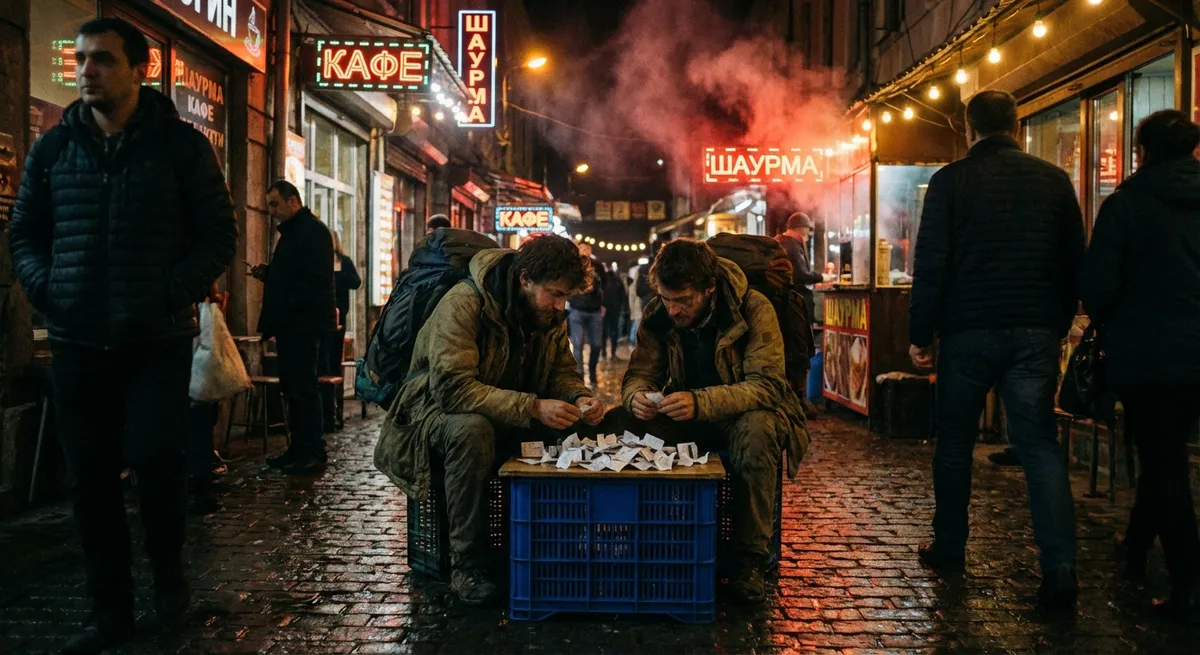
The trick is to go with a scavenger mindset, not a consumer one. You’re not shopping for trends; you’re decoding a culture’s past through its leftovers. Ask stall owners about stranger items—old train tickets, hand-drawn maps, unmarked tools. Stories spill out: closed factories, border changes, lost rail lines. Sometimes you’ll be handed something “useless” for free, just because you bothered to ask.
Functionally, this keeps your budget lean—you’re equipping yourself for the journey from the journey itself. Philosophically, it rewrites your role from “visitor” to “urban archaeologist” paddling through someone else’s memory tide.
5. Fringe Festivals and Micro-Scenes That Don’t Want a Brochure
Skip the big, ticketed events everyone knows. Follow the weird flyers on lamp posts, the half-broken website of a local arts collective, or the event calendar taped to the back door of a music bar. Fringe festivals, underground meetups, and subculture gatherings are often either free or priced for locals, and they condense a city’s creative chaos into a few sweaty days and long nights.
Instead of dropping cash on the mainstream festival that’s been fully monetized, look for its unofficial orbit: the free side stages, DIY street performances, pop-up galleries, poetry nights in warehouses, rooftop concerts with donate-what-you-want jars. Couchsurfing and similar hospitality networks often host meetups during these times. University event boards and cultural centers are goldmines, especially in cities with big student populations.
From a budget perspective, these micro-scenes usually come with cheap food stalls, makeshift bars, and a culture of sharing—people pass around snacks, tips on where to crash, and onward travel ideas. From a story perspective, this is where you meet the person who says, “Hey, we’re driving to the mountains tomorrow at dawn, want in?” You end up splitting fuel four ways, sleeping in a borrowed tent, and soaking in a hot spring that doesn’t even have a pin on the map.
The key isn’t chasing the “top 10 things to do.” It’s chasing density: the maximum number of interesting humans per square meter, all doing something they care about more than whether you post it on social media.
Conclusion
Budget adventure isn’t a downgrade. It’s a jailbreak from predictable travel: less about what you can afford and more about what you’re willing to risk in comfort to gain in reality.
Ride transit until the world runs out of timetable. Turn vehicles into moving hostels. Embed yourself in someone’s project. Scavenge your gear from a city’s memory pile. Drift into the edges of festivals that don’t care if you showed up with a guidebook.
The less money you use as a shield, the more direct the experience gets. That’s the trade: fewer hotel chocolates on the pillow, more 4 a.m. conversations at bus stations, scrapyards, farm tables, and improvised stages. Plan loosely, carry light, and leave room in your story for the kind of chaos you can’t buy.
Sources
- U.S. Department of Transportation – Travel by Bus and Train - Overview of intercity bus and rail options and safety considerations, useful when planning overnight transit as budget transport
- European Commission – Passenger Rights on Buses and Trains - Explains your rights when using public transit and long-distance services across the EU
- Hostelling International – What is a Hostel? - Background on shared, budget-minded accommodation and how communal travel spaces work
- WWOOF – World Wide Opportunities on Organic Farms - Example of a global volunteer exchange network where travelers trade labor for room and board
- UNESCO – Culture and Creative Cities - Insight into how local cultural scenes, festivals, and creative networks shape cities and offer alternative experiences for travelers
Key Takeaway
The most important thing to remember from this article is that this information can change how you think about Budget Adventures.