Some places are so gloriously out of sync with “normal vacation” energy that even your travel apps shrug and look away. These are not bucket-list darlings or influencer traps; they’re the weird side doors of the world—where the roads get confused, the signs give up, and you start to feel like you’ve slipped sideways into a better version of reality.
This is your permission slip to stop chasing the same sunsets as everyone else and start hunting the strange, the quiet, and the almost-forgotten. Five hidden gems. Zero respect for the beaten path.
1. The Desert That Forgets You Exist — The Empty Quarter’s Fringe, Oman
Most people fly over the Rub’ al Khali—the “Empty Quarter”—and post cloud photos. You go down there and disappear for a while.
On the southern fringes in Oman, beyond the last half-hearted gas station and the final cellphone bar, the road bleeds into dunes the size of office towers. You’re not in the Instagram desert with camel sunsets and choreographed tea; you’re in a sand ocean where the horizon is a rumor and time feels broken. At night, the stars show up in numbers you didn’t know were legal.
Base yourself in Salalah or one of the smaller desert-edge towns and link up with a local Bedouin guide who actually respects the place instead of treating it like a theme park. Expect no-frills camps, sand in your soul, and silence that is almost confrontational. It’s less “vacation” and more “gentle ego demolition by landscape.”
This is not a self-drive whim. Out here, the dunes move, GPS laughs at you, and that “low fuel” light is not a vibe—it’s a problem. But if you want to understand what “remote” actually feels like, the Empty Quarter’s fringe will happily erase you from the noise for a few days, then hand you back to the world slightly rearranged.
2. The Island That Moves Slower Than Your Thoughts — Yakushima, Japan
Japan’s cities run on caffeine and precision. Yakushima runs on moss.
South of Kyushu, this island feels like someone took a Studio Ghibli forest and forgot to turn the fantasy settings off. Trails twist through cedar trees that have been alive longer than entire countries. Trunks are swollen, gnarled, and dripping with neon-soft moss that makes the ground look like it’s cushioning the planet. The humidity isn’t cute; it’s a full-body experience. It’s like walking through the lungs of the Earth.
Unlike Japan’s polished tourist circuits, Yakushima demands you get muddy and mildly lost (in a good way). The weather pirouettes between sun, fog, and straight-up horizontal rain in a single hike. You might share a trail with deer, monkeys, and exactly zero tour buses. Even the coastline is rugged and oddly empty, with hot springs that flirt with the ocean.
Here, adventure is slow. It’s long hikes, wet boots, questionable bangs from the humidity, and the dawning suspicion that the trees are quietly judging your carbon footprint. You come off the island not high on adrenaline, but low-key bewitched.
3. The Town That Refused to Become a Museum — Gjirokastër’s Back Alleys, Albania
UNESCO checked the “historic Ottoman town” box on Gjirokastër, but then something rare happened: the place stayed alive instead of turning into a heritage snow globe.
The stone-roofed houses cling to a hillside under a brooding castle, but the real magic crawls in the cracks between guidebook sights. Wander off the main bazaar and the vibe shifts from “picturesque” to “someone’s actual neighborhood,” where old men argue on doorsteps, laundry stretches across alleys, and the occasional goat committee crosses your path like they own it (they might).
The cobbled streets are steep, ankle-twisting, and unrepentant. Cafés don’t come with “concept”; they come with ashtrays older than you and coffee strong enough to rearrange your priorities. You’ll find half-forgotten communist bunkers, courtyards that look abandoned until someone opens a door and offers you rakija, and views that make you wonder why the tourist hordes never quite made it this far.
Gjirokastër feels like a prototype for how old towns could resist becoming flavorless souvenir farms. It’s a hidden gem not because nobody knows it exists, but because most travelers barely scratch it before moving on. You, naturally, will ignore the schedule and stay an extra day.
4. The Borderland That Doesn’t Care About Your Lines — The Triple Frontier, South America
Most borders are dull: stamps, queues, and duty-free perfume. The border where Argentina, Brazil, and Paraguay collide is more like a glitch in the matrix.
This is the Triple Frontier, near the roar of Iguazú Falls—but step away from the selfie railings and that thunder becomes a background soundtrack to a region where three countries overlap, languages merge, and currencies are more like suggestions. Ferries and bridges shuttle people across the rivers; merchants slip between borders like it’s just another block. You’ll hear Spanish, Portuguese, Guarani, and the universal language of “I can get you that cheaper.”
This is not a packaged-tour zone. It’s messy by design: bus terminals that feel like choose-your-own-adventure hubs, street food that doesn’t care what passport you carry, and neighborhoods where soccer jerseys have more political power than flags. In some corners, the area has a reputation for smuggling and shadow economies—reminders that life near borders is rarely simple.
An adventurous traveler treats the Triple Frontier like a living case study in how random lines on a map fail to contain human movement. You hop a bus, cross a bridge, and your phone chokes on roaming charges while the locals just keep moving. It’s geopolitical chaos, but with better empanadas than your embassy cafeteria.
5. The Cave That Collects Stories — Skocjan’s Underworld, Slovenia
Plenty of caves will sell you stalactites and echo chamber acoustics. Škocjan Caves feels like the planet opened its throat and let you walk inside.
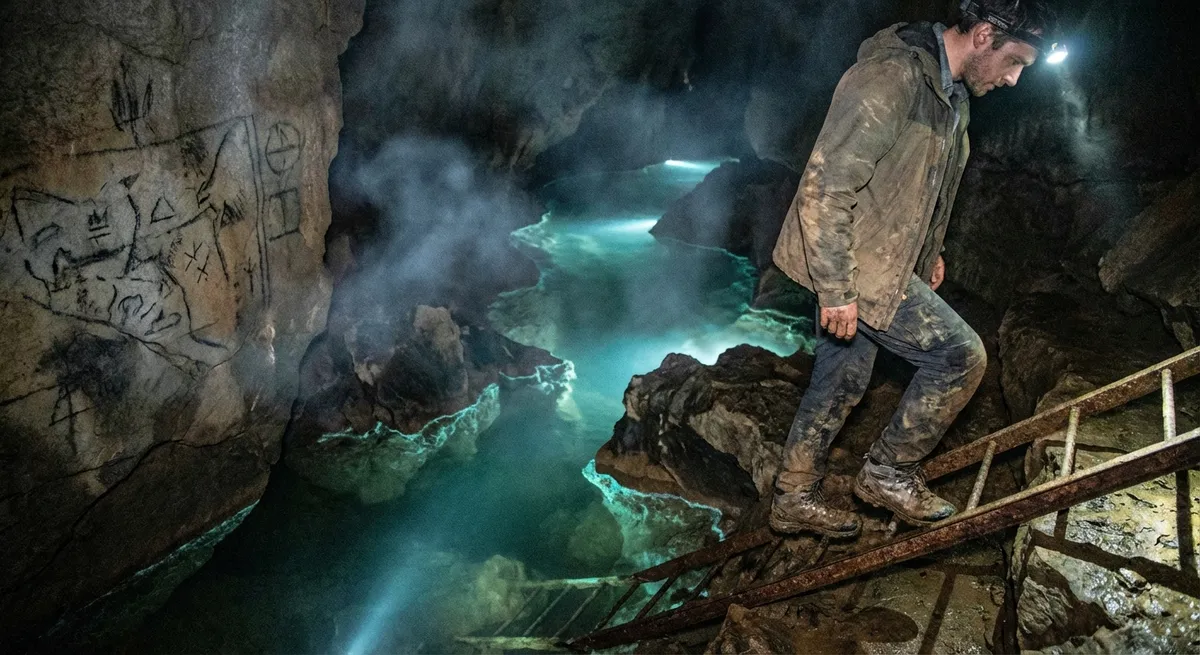
Hidden in southwestern Slovenia, this karst system is an underground canyon with a river that roars like an angry god doing soundcheck. Paths cling to sheer rock walls, suspended absurdly high above the water, while bridges arch over voids that look suspiciously bottomless in the half-light. At some points, the air is so damp and loud that conversation is pointless; all that’s left is the sound of your own breathing trying to keep up.
Unlike more polished cave attractions with colored lights and elevator-accessible platforms, Škocjan still feels raw and slightly unreal. The drip of water is constant. The darkness isn’t theatrical; it’s just what happens when you put tons of rock between you and the sun. Archaeological traces show humans have been coming here for thousands of years, long before headlamps and handrails—apparently we’ve always had a thing for walking willingly into the Earth’s mouth.
Surface Slovenia is green, pretty, and very postcard-friendly. Škocjan is its feral twin: all gravity, echo, and scale. You emerge blinking into daylight with mud on your shoes and the distinct impression that, whatever your daily life is, it’s happening on a very thin crust.
Conclusion
Hidden gems aren’t always secret; they’re just not optimized for mass consumption yet. They’re the places that demand more than a quick photo stop: a little discomfort, a bit of risk management, and a willingness to look unpolished, lost, or spectacularly underprepared for the weather.
If you’re done collecting the same cities and viewpoints as everyone else, start hunting for the edges: desert fringes, rain-drenched islands, stubborn old towns, chaotic borderlands, and underground worlds that don’t care who you are topside. The planet still has plenty of corners where adventure hasn’t been turned into a product.
Go there before the algorithms catch on—and don’t forget to come back with stories that don’t fit in a caption.
Sources
- Royal Geographical Society – Exploring the Rub’ al Khali – Background on the geography and exploration history of the Empty Quarter
- Yakushima Tourism Association (Official) – Practical information and environmental notes about Yakushima Island
- UNESCO World Heritage Centre – Historic Centres of Berat and Gjirokastra – Context on Gjirokastër’s heritage status and historic architecture
- International Boundary Study – Argentina–Brazil–Paraguay Boundary – U.S. Library of Congress document detailing the Triple Frontier boundaries
- UNESCO World Heritage Centre – Škocjan Caves – Geological, cultural, and conservation details on Škocjan Caves, Slovenia
Key Takeaway
The most important thing to remember from this article is that this information can change how you think about Hidden Gems.