If your passport is gathering more dust than stamps because “travel is too expensive,” consider this your formal notice of rebellion. The world is full of almost-free, wildly underrated experiences that feel like you cheated the system—and somehow got away with it. This isn’t about coupon-clipping city breaks or pretending instant noodles count as “local cuisine.” This is about twisting the budget-travel dial so far that it breaks off in your hand, then using the broken piece as your compass.
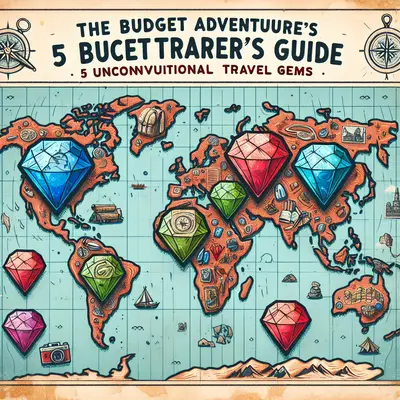
Below are five under-the-radar travel discoveries that don’t care how fat your wallet is—as long as you’re willing to chase the story instead of the resort.
Night Train Tectonics: Turning Sleeper Cars into Moving Micro-Hostels
Forget flights. If your adventure doesn’t rattle, squeal, and occasionally smell like mystery snacks, you may be paying too much. Night trains are the original budget time machine: you go to sleep in one city, wake up in another, and never pay for a night of accommodation.
Across Europe, Asia, and parts of Africa, older sleeper trains are quietly becoming the best-kept budget secret again. A second-class sleeper or couchette can cost less than a hostel bed in big cities, especially if you book in advance or hunt for regional discounts. You’re not just saving cash—you’re buying time. That overnight hop between cities turns dead transit hours into a rolling, low-budget social experiment where your cabin mates might be backpackers, migrant workers, or a grandmother armed with an endless supply of snacks and unsolicited life advice.
The trick is to lean into the chaos: bring earplugs, a scarf or sarong as an emergency privacy curtain, and a sense of humor. You’ll stumble off the train at sunrise, a little rumpled and sleep-stupid, but with your entire day ahead of you and your accommodation already “paid” in steel and scenery. For budget adventurers, night trains aren’t just cheaper—they’re a reminder that the journey is supposed to be the main event.
Border-Town Drift: Exploring the Places Everyone Speeds Past
Most travelers treat borders like Wi-Fi dead zones: hold your breath, power through, pretend they don’t exist. That’s a mistake. Border towns are often the cheapest, weirdest, most culturally mashed-up places on the map—and almost nobody stays long enough to notice.
These in-between places aren’t polished for tourism. Prices tend to be lower, guesthouses more negotiable, and food portions mysteriously gigantic. Currencies mix, languages collide, and the menus read like glitchy code: dishes from both sides of the border, fused into something you’ll never find in a capital city restaurant. You might find ex-truckers running guesthouses, families who know three currencies better than their own birthdays, and bartering systems that operate on equal parts cash and vibes.
To turn border drift into a budget superpower, ignore the bus timetable everyone else obeys. Stay one or two nights. Walk the markets where cross-border workers shop. Ask café owners where they eat after work. These towns often have cheap, informal taxis crossing into the next country, rideshares arranged by word-of-mouth, and local intel on which border crossings are quiet, scenic, or delightfully weird. On a tight budget, this kind of organic logistics hacking is worth more than any “top 10 attractions” list.
Free City Hacking: Urban Adventures Fueled by Odd Hours and Zero Tickets
Big cities are allegedly wallet graveyards—but only if you insist on being awake at the same time as everyone else. The secret? Shift your schedule, and the city becomes a free playground.
Public spaces—riversides, overlooks, abandoned rail lines turned into parks, waterfront piers—are open-air theaters if you show up at the right time. Sunrise is when cities accidentally tell the truth: joggers, street cleaners, fishermen, night-shift workers, and the few travelers who know that golden-hour light is better than any entry ticket. Many major cities also have free museum hours, open-air concerts, street festivals, and neighborhood nights where galleries or cultural centers drop their fees entirely if you’re paying attention to local calendars.
Spend your money on a single strategic splurge—maybe a day transit pass—and weaponize it. Ride every weird branch line. Get off where the map looks empty of attractions. Follow street art instead of guidebooks; mural corridors often run through neighborhoods where food is cheaper and more interesting than anything near the main square. By treating the city itself as the main exhibit and paid attractions as optional side quests, your budget stretches shockingly far.
Hyper-Local Micro-Trails: One-Bus-Ride Hikes with Million-Dollar Views
You don’t need a multi-day trek permit or guided expedition to feel small in front of ridiculous scenery. You just need the laziest possible hike with the most disrespectfully good payoff.
All over the world, there are short, under-marketed trails that start practically from a bus stop, local train station, or village edge. These are the paths locals use to reach shrines, grazing areas, water sources, or old lookout points. They rarely appear on flashy travel blogs, yet they serve world-class views in under two hours—for free, except for snacks and your willingness to sweat.
The move is simple: pick a region, not a famous trail. Once there, skip the glossy brochures and ask locals, “Is there a short walk with a good view?” Not “best hike,” not “top attraction”—just “good view.” Watch as people debate among themselves and then point you toward some half-forgotten ridge, lighthouse, or ruin. Because you’re not tackling the big-name trail, there’s no gear rental, no crowded switchbacks, and usually no entry fees. You can be back in town by lunch, eating cheap local food instead of pricey trail sandwiches, wondering why you ever believed adventure required brand-name mountains.
Underground Economies of Wonder: Learning Skills Instead of Buying Experiences
When money is tight, the smartest thing you can buy is not a tour, but a skill that unlocks everything tours are charging you for.
Surf lessons from a community club instead of a big surf school. Basic freediving from a local instructor instead of an expensive boat package. City photo walks run by hobbyist photographers instead of formal “experience” platforms. Community dance classes where the only fee is showing up consistently and not stepping on too many toes. The initial cost is usually lower than a single high-end outing, and once you have the basics, you can wander off and build your own version of that experience indefinitely.
Ask around: hostels, community centers, universities, bulletin boards, and independent cafés are ground zero for this kind of informal learning. The unpolished stuff—sessions in back rooms, beaches, church halls, rooftop terraces—is often where locals actually go. You’ll likely pay less, stay longer, and leave with muscle memory instead of just photos. On a budget, the move from “I paid for a cool thing” to “I can semi-competently do a cool thing” is one of the biggest adventure upgrades available.
Conclusion
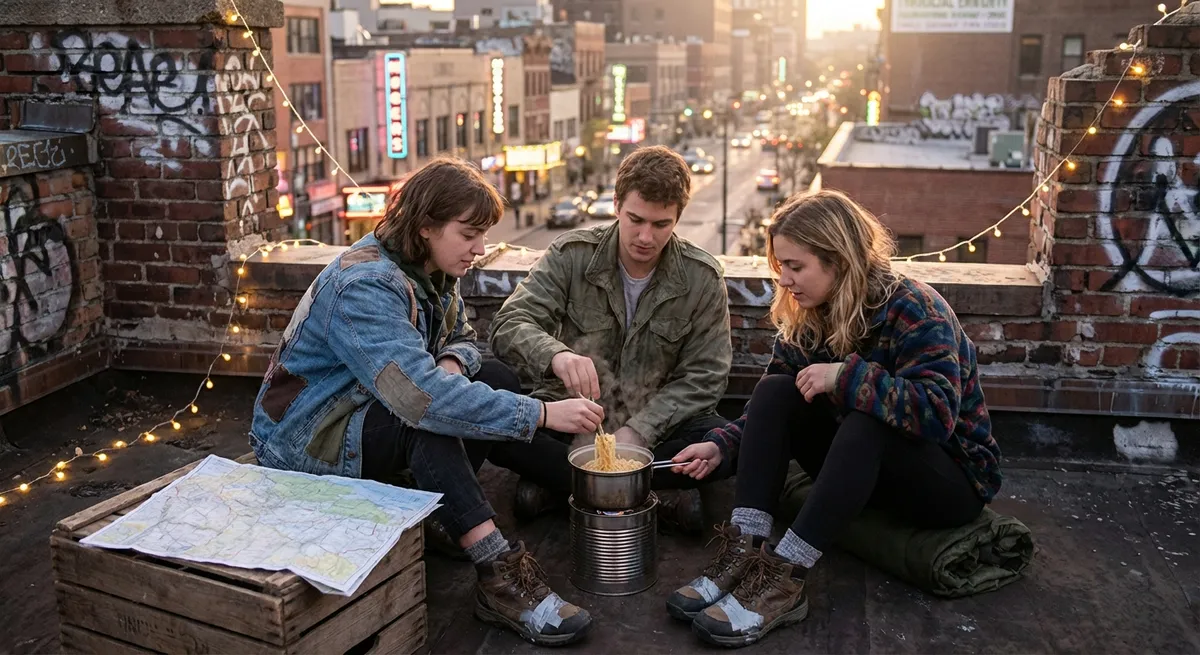
Budget travel isn’t about martyrdom by cheap noodles or treating yourself like cargo between tourist traps. It’s about attacking the map from the side, slipping through its cracks, and letting low cost force high creativity. Night trains instead of hotels. Border towns instead of polished hubs. Free city hours instead of ticketed attractions. Bus-stop hikes instead of branded treks. Skills instead of one-off thrills.
If you’re willing to prioritize stories over status and curiosity over convenience, the world stops being “too expensive” and starts looking suspiciously accessible—like maybe the real cost was never money, but the courage to travel a little weirder than the algorithm recommends.
Sources
- Eurail: Night Trains in Europe - Overview of European night train routes, classes, and practical tips, supporting the idea of using sleeper trains as transport plus accommodation
- UN World Tourism Organization - Global tourism data and trends, useful for understanding how mass tourism clusters in major hubs while leaving secondary cities and border regions less crowded and often cheaper
- U.S. National Park Service: NPS Free Entrance Days - Example of how timing and specific days can unlock free access to major attractions, illustrating the “odd hours and zero tickets” approach
- European Commission: DiscoverEU & Youth Mobility Programs - Demonstrates how public initiatives encourage low-cost rail and exploratory travel across borders, reinforcing the value of regional trains and flexible routes
- University of California Cooperative Extension: Outdoor Skills & Community Education - Shows how community-based programs teach practical skills (like outdoor and recreation basics) at low cost, paralleling the concept of learning skills instead of purchasing packaged experiences
Key Takeaway
The most important thing to remember from this article is that this information can change how you think about Budget Adventures.