You don’t need a platinum card to travel like you stole fire from the gods. You need nerve, curiosity, and just enough cash to get lost without getting stranded. This isn’t about “cheap alternatives” to luxury; it’s about treating the world like your personal glitchy sandbox and slipping through the cracks where the fun leaks out. Below are five budget discoveries that don’t come with welcome cocktails or infinity pools—but they will rewire how you travel, and they’ll do it without wrecking your bank account.
The Night-Shift City: Exploring While Everyone Else Sleeps
Cities are expensive at noon and almost free at 3:17 a.m.
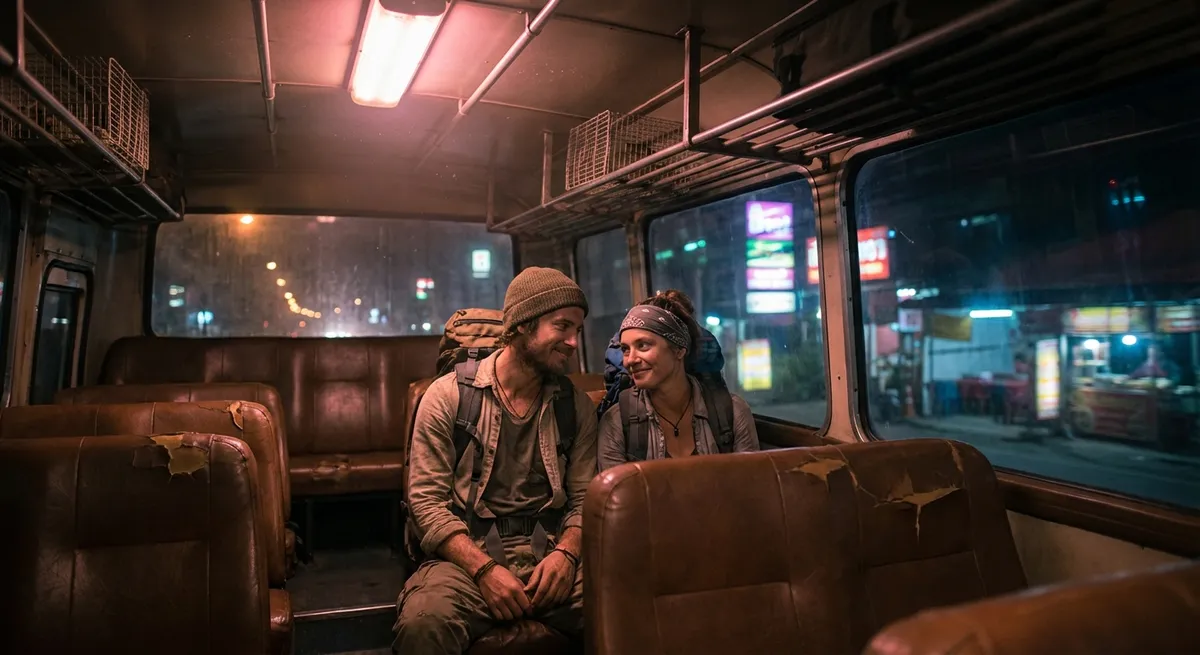
Night is the discount code nobody uses. Public squares turn into empty stages, tourist traps lose their teeth, and the city hands you scenes that never make the brochure. Night buses cost the same as day buses but come with bonus weirdness: late-shift workers, musicians hauling gear, street vendors shutting down, club kids melting home.
Pick a safe, walkable zone (historic centers, waterfronts, student neighborhoods) and build a nocturnal loop: start at a 24/7 bakery or all-night café, walk through the “postcard” sights when they’re completely deserted, then drift into the edges where neon still hums. You’ll find cheap food stands closing shop (hello, end-of-night discounts), local hangouts that don’t care you’re a foreigner, and free entertainment: buskers, open-air chess, midnight skate crews.
Want to stretch your budget further? Use overnight transport as your moving hostel: night trains and buses double as accommodation you’ve already paid for, letting you arrive in your next city at sunrise, ready to raid the bakery before the crowds even wake up. Less hotel, more story.
Parallel Worlds: Sleeping in Spaces Never Meant for Tourists
Traditional hostels are fine. Predictable. Sanitized. Also: boring.
Your budget gets feral—in the best way—when you start sleeping in places that were never designed as “accommodation.” Think monastery guesthouses, university dorms on break, farm stays, artist residencies, and community-run guest rooms above village shops. These places aren’t pretending to be hotels, which is exactly why they’re cheaper and more interesting.
Monastery stays often ask only for a donation or a modest fixed fee. You get a bed, maybe simple meals, and surreal mornings wandering centuries-old cloisters before the day-trippers arrive. Agricultural homestays and WWOOF-style arrangements can trade a few hours of work for a roof and food—yes, you will be tired; also yes, you will watch the sunset over fields you actually helped tend.
University housing in off-season? It’s like glitching into a parallel student timeline: barebones rooms, cheap cafeterias, and neighborhoods built around low budgets, not business travelers. Local bulletin boards, small community centers, and co-ops often have hand-scribbled notices for rooms or couch-rental situations that never hit the big booking platforms. You’re not “finding a deal”; you’re switching into a different economic layer of the city.
The Free-Edge Economy: Following What Locals Don’t Pay For
The best budget hack isn’t haggling harder—it’s going where money isn’t the point.
Every destination has an invisible layer of free or nearly-free life that tourists walk past while searching for the ticket counter. You’ll find it where locals go to exist, not “experience”: public lakes instead of beach clubs, free hiking trails instead of cable cars, street festivals instead of pricey concerts.
Museums and landmarks often have free days or hours; public transit passes can include entry discounts or city bikes; urban parks become outdoor gyms, art galleries, and music venues the minute the weather cooperates. Swap “What is the top attraction?” for “What do locals do on their day off when they’re broke?” and your map rewires itself.
Here’s where it gets fun: many cities have community calendars, student-run events, and grassroots festivals that cost little to nothing. Pop-up film screenings on rooftops, free walking tours (tip what you can), neighborhood markets with live music—these are where conversations spark, invitations happen, and the trip stops feeling like something you bought and starts feeling like something you’re part of.
Micro-Borders: Crossing Cultures Without Crossing Countries
You don’t always need an international flight to slam into a different world.
“Micro-borders” are the cultural fault lines you can walk across in a single afternoon: immigrant neighborhoods, ethnic enclaves, cross-border twin towns, and zones where languages collide. They’re often ignored by guidebooks, yet they’re some of the richest, cheapest travel experiences on earth.
Head to the district where the street signs silently switch languages. Visit markets where stall owners are translating prices three times. Eat lunch in one alphabet and dessert in another. Spend an afternoon in a diasporic neighborhood—Little Ethiopia, Chinatown, Little Havana, Arab quarters, Romani markets—and you’re basically teleporting without immigration lines or airport markup.
These areas usually run on local prices: groceries instead of boutiques, street food instead of brunch spots, community bakeries instead of chain cafés. You can sample entire culinary traditions for what one airport sandwich costs. Listen for the music spilling from doorways, check flyers in shop windows for neighborhood events, and if you’re respectful and curious, you’ll often be invited deeper in—into social clubs, religious celebrations, or family-run cafés that don’t even show up on maps.
The Skill Swap: Turning What You Know Into a Travel Currency
Your most valuable travel money may not be in your wallet—it’s in your head and hands.
Budget travelers often think in terms of “earning online” or “finding discounts,” but there’s another path: trading your skills directly for access, experiences, or a place to sleep. This isn’t about becoming a full-time digital nomad; it’s about short, sharp trades that unlock spaces money can’t normally buy.
If you speak a second language, offer casual conversation sessions in hostels or cafés in return for home-cooked food, local-guided walks, or help navigating bureaucracy. Musicians can trade a short set for drinks or a meal; photographers can swap portraits for discounts or insider access; designers and writers can help small guesthouses or local businesses with menus, social captions, or basic branding in exchange for a room.
Many community projects, eco-centers, makerspaces, and cultural organizations thrive on exchange: a few hours helping with workshops, photography, translation, or social media can earn you entry to events, art spaces, festivals, or gatherings that never sell tickets at all. You arrive as a consumer, but you leave as a collaborator—and your budget breathes easier with every non-monetary trade.
Conclusion
Travel doesn’t become unforgettable because you spent more; it becomes unforgettable because you risked more—more curiosity, more vulnerability, more willingness to step outside the padded lane laid out for tourists. The world is full of discount codes that aren’t written down: nocturnal cities, off-script sleeping arrangements, free-edge economies, micro-borders, and the raw power of what you can trade besides cash.
If you’re willing to treat your budget as a challenge instead of a limitation, you’ll stop “doing” trips and start collecting smuggled little slices of life that feel almost too good to be allowed. That’s the sweet spot: when it feels a bit like you got away with something.
Sources
- Lonely Planet: Budget Travel Tips – Practical guidance on saving money on transport, accommodation, and activities
- Rick Steves: How to Find Cheap or Free Sightseeing – Details on free museum days, city passes, and local tricks to reduce sightseeing costs
- Hostelling International: What is a Hostel? – Overview of hostel culture and affordable accommodation options
- U.S. National Park Service: Plan Your Visit – Information on free and low-cost outdoor activities, passes, and park access
- WWOOF: World Wide Opportunities on Organic Farms – Explains how work-exchange on farms can provide budget stays and immersive local experiences
Key Takeaway
The most important thing to remember from this article is that this information can change how you think about Budget Adventures.