A recent headline about kids whispering “This wasn’t an accident” after their dad’s disturbing behavior on a mountain just slammed something into focus for the entire adventure community: the wildest danger on the trail isn’t always cliff edges, avalanches, or thin air—it’s the humans you go there with.
While the true‑crime world dissects motives and court dates, we’re asking a different question at No Way Travel: if a peaceful family hike can warp into a horror story, what does that mean for those of us who seek out the most remote, risk‑heavy corners of the planet on purpose?
This is your wake‑up call, wired straight into five extreme travel discoveries that feel very “right now”—where the adrenaline is real, the stakes are high, and your safety plan matters as much as your summit selfie.
1. The Dark Side of the Summit Selfie
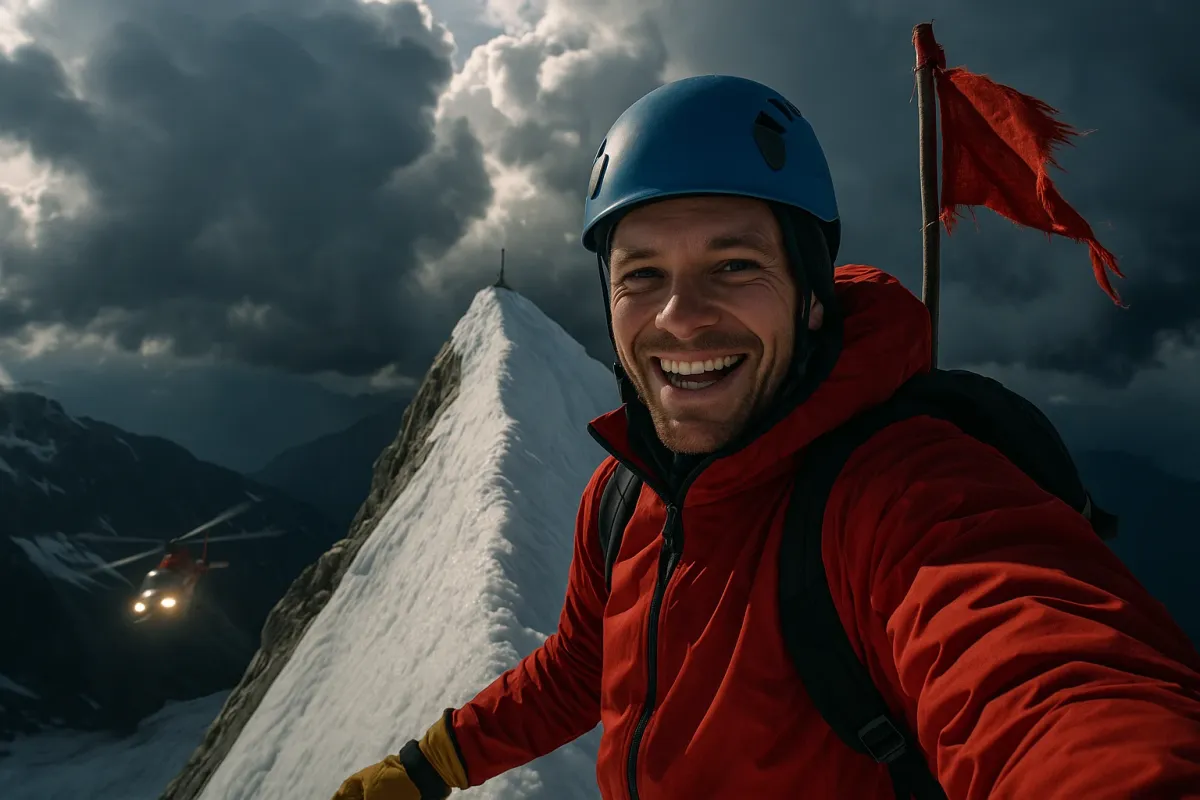
Social media has turned summits into stages, and the algorithm loves a near‑death shot. TikTok and Instagram are full of people dangling off ledges in the Dolomites, sprinting along knife‑edge ridges in the Alps, or posing inches from corniced drop‑offs on peaks from Colorado to Kyrgyzstan.
But that recent mountain headline—with children watching a supposedly “fun” day turn sinister—hits different when you realize how many people you blindly follow up a trail for a better angle. Guides, partners, random “locals who know a shortcut”—everyone looks harmless at the trailhead.
What you discover when you push into extreme terrain right now:
- Solo travelers are linking up with strangers via apps, DMs, and hostel bulletin boards at record pace.
- “We met five minutes ago” rope teams are becoming normal on crowded alpine routes.
- The pressure to perform—faster, riskier, more “epic”—is quietly nudging people past their skill level.
If a family outing can go horribly wrong at a busy mountain, imagine how fast things can unravel at 5,000 meters with no cell signal and no witnesses. Extreme travel today isn’t just about reading the weather—it’s about reading the people around you like your life depends on it, because sometimes it does.
2. Human Risk Management: The New Essential Gear
Climbers obsess over carabiner ratings. Trail runners argue endlessly about shoes. Base jumpers weigh every stitch of a wingsuit. Yet the biggest plot twist in today’s most chilling outdoor stories isn’t gear failure—it’s human failure: bad judgment, hidden motives, emotional breakdowns, ego wars.
That “this wasn’t an accident” quote from the mountain case lands squarely in the gut of every adventure junkie who’s ever trusted a partner with the route, the rope, or the risk call.
The 2020s discovery for extreme travelers:
Human risk management is now as crucial as avalanche training.
Think in brutally practical terms:
- Background checks, but make it casual. You don’t need to stalk, but you do need to know if your partner has real experience or just Reels.
- Hard boundaries, stated upfront. “If visibility drops, we turn around.” “If you ignore the guide, I’m out.” Say it before you clip in.
- Mental red flags. Anyone who mocks fear, refuses to discuss exit plans, or treats you like a prop for their content isn’t “fun”—they’re a liability.
Extreme travel doesn’t mean blind trust. It means choosing your rope team with the same intensity you use on your route planning app.
3. Night Hikes, No Witnesses: The Allure of Invisible Routes
As mainstream mountains fill with influencers and tour groups, the hardcore are going nocturnal and off‑grid. Sunrise ridge scrambles, midnight glacier approaches, canyon descents timed for zero traffic—if it’s invisible to day‑hikers, it’s probably trending in your favorite “adventure” Discord right now.
This is where the disturbing mountain headline slips under your skin. Darkness and remoteness aren’t just dramatic—they’re isolating. Fewer people, fewer eyes, fewer chances for someone to step in if a partner’s behavior flips from sketchy to dangerous.
What makes these routes intoxicating—and risky—right now:
- Navigation chaos. You’re relying on one or two devices, maybe one person’s GPX file. Get turned around, and you’re a rumor, not a rescue.
- Silence bubbles. No witnesses, no bystanders, no well‑timed “Hey, that doesn’t look safe.”
- Elevated trust stakes. One panicked decision, one manipulative person, and you’re in trouble hours from help.
Yet this is also where some of the purest adventure lives—auroras over Arctic ridges, bioluminescent surf under sea cliffs, Sahara dunes under a moon so bright you can kill your headlamp. The key discovery: if you’re going to chase the routes no one sees, your plan needs to be visible to someone, somewhere, who isn’t on the mountain with you.
4. When True Crime Meets Trail Culture
Every time a high‑profile mountain tragedy hits the news—especially ones now framed by chilling lines like “This wasn’t an accident”—the true‑crime machine powers up. Documentaries, podcasts, Reddit threads, TikTok theories. Suddenly, remote trailheads and lonely ridgelines become the new haunted houses.
Strangely, that’s drawing more people out.
Extreme travel in 2025 is feeding on this crossover: adventurers hunting down infamous disappearance trails, canyons with unsolved cases, or peaks with suspicious “accidents.” They’re filming docu‑style reels, stitching crime podcasts with their own POVs, adding “we’re not saying it was murder, but…” captions from the exact GPS points.
This isn’t just macabre tourism; it’s a cultural mashup:
- True‑crime fans are learning navigation, first aid, and backcountry basics just to visit these places.
- Seasoned hikers are tuning into legal updates and forensic breakdowns to better understand what actually goes wrong out there.
- Local communities are torn between economic boosts and reliving trauma.
The extreme discovery here: the same storytelling engine that turned serial killers into Netflix content is now reshaping how and where we seek adventure. If you go, do it with respect—because some routes hold more ghosts than views.
5. Building Your Own Safety Cult (Without Killing the Thrill)
The scariest part of that mountain headline isn’t just the alleged act—it’s how normal everything must have looked before it all went sideways. Family outing. Scenic views. Standard weekend adventure.
That’s the exact surface polish most extreme trips have: friendly banter, hyped energy, amazing landscape. Underneath, any expedition can turn into a survival scenario fast—from weather, from injury, or, as we’re now forced to admit, from someone’s dark side.
So extreme travelers are quietly building micro‑cultures of safety that don’t feel like buzzkill lectures:
- Shared trackers and code words. Not just for couples—friends and crew dropping location breadcrumbs and “all good” check‑ins to trusted people back home.
- Consent culture on the mountain. You can say no to the next pitch, the sketchy jump, the push past your limits—without being called weak.
- No‑solo policies for high‑risk moves. Sure, you might hike alone, but glacier travel or exposed scrambles? Non‑negotiable partners, vetted hard.
- Post‑trip debriefs. Not just “That was sick,” but “Where did we get lucky? What did we miss? Who felt unsafe and didn’t speak up?”
This doesn’t dilute the adventure; it concentrates it. The more you control the human chaos, the more freedom you have to dance with everything else—the altitude, the elements, the terrain.
Conclusion
That haunting line—“This wasn’t an accident”—echoes far beyond one courtroom or one mountain. It’s a brutal reminder that in 2025, extreme travel isn’t just a conversation about cliffs and storms. It’s a conversation about trust, psychology, and how well you actually know the people you willingly vanish into the wilderness with.
If you’re going to chase ridgelines at dawn, drop into canyons no one can pronounce, or follow a GPS dot into the dark, do it wide awake. Vet your partners like gear. Treat your intuition as survival tech. And remember: the most extreme thing you can do out there… is walk away from a situation that feels wrong—before the headline writes itself.
Key Takeaway
The most important thing to remember from this article is that this information can change how you think about Extreme Travel.