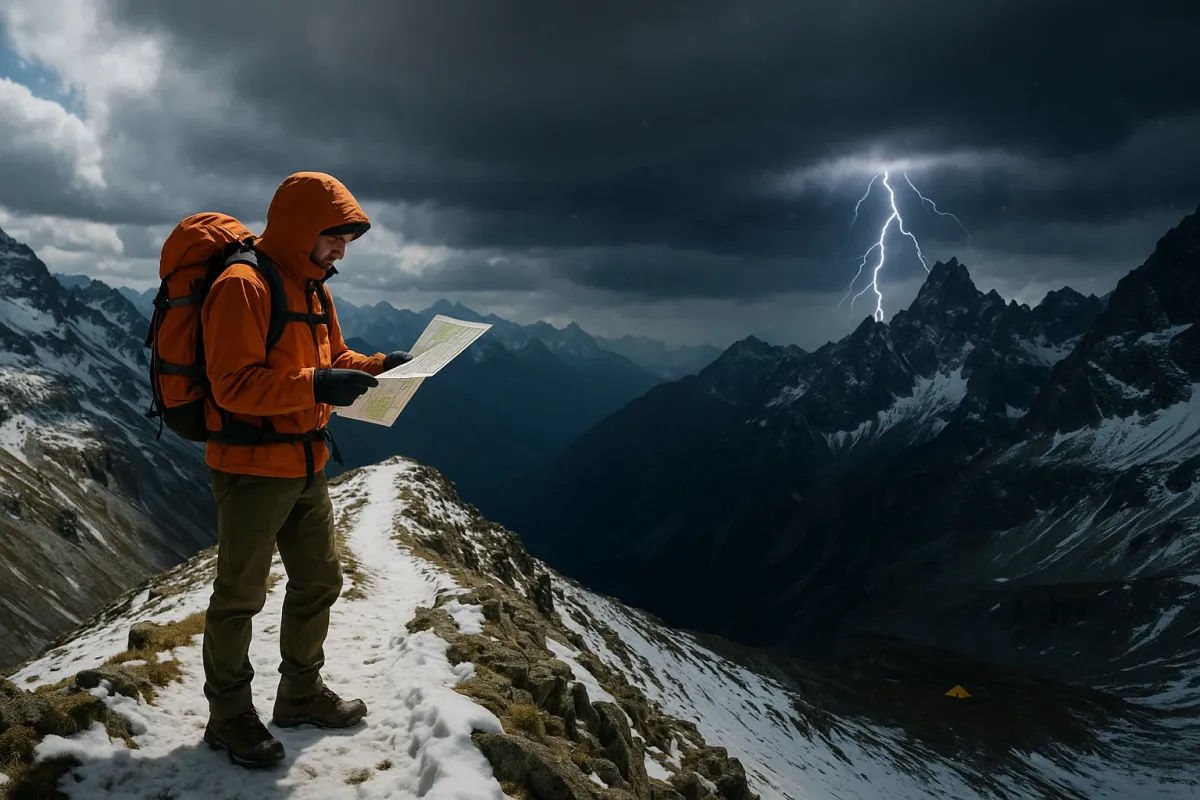
In the news right now, Austrian officials have finally identified 33‑year‑old Kerstin Gurtner, the woman who was abandoned by her boyfriend and left to fatally freeze near the summit of Austria’s highest peak, Grossglockner. He’s now facing negligent homicide charges, and the mountaineering world is having a hard but necessary conversation: adventure tourism isn’t just about epic selfies and summit bragging rights—people die when ego outruns experience.
So let’s talk about the places that whisper instead of scream. The hidden corners of the world where nature is glorious, crowds are thin, and the only algorithm that matters is the weather forecast. But we’re doing it honestly: no romanticizing risk, no “it’ll be fine” bravado. Inspired by the hard lesson echoing off the rocks of Grossglockner, here are five wild, lesser‑known escapes that demand preparation, respect, and a solid “we don’t leave each other” rule.
These are not “cute weekend getaways.” These are “tell someone where you’re going, carry a satellite tracker, and pack your humility” expeditions.
The Quiet Side of Grossglockner: Villages That Watch the Summit
Austria’s Grossglockner dominates headlines for tragic reasons right now, but most travelers still treat it like a photo stop on the famed Grossglockner High Alpine Road and nothing more. The reality: the area around it hides a network of glacier‑carved valleys and high‑alpine hamlets where life moves at a pace determined by seasons, not by TripAdvisor. Skip the standard summit circus and base yourself in villages like Kals am Großglockner or Heiligenblut, where you can actually see the weather mood‑swings that make the peak so dangerous.
From here, you can hike lesser‑known routes that nibble the edges of the national park instead of throwing you straight into serious alpinism. Think balcony trails overlooking glaciers, silent side‑valleys where you’re more likely to meet marmots than people, and old pilgrimage paths that top out at lonely chapels instead of knife‑edge ridgelines. Local mountain guides—actual certified pros, not your overconfident friend—offer low‑key glacier walks and skills courses that teach you how to read snow, ice, and your own limits. The lesson from Kerstin Gurtner’s story is brutally simple: don’t go high with someone who goes missing the second things get hard. Out here, the real hidden gem isn’t a view. It’s a partner who turns back with you.
Frozen Silence, No Heroics: Norway’s Secret Winter Plateaus
After any high‑altitude tragedy, social media fills with “I could do that” hot takes from people whose winter experience begins and ends with airport delays. If you want cold, empty, and wild—without improvising your own doom scene—Norway’s lesser‑known winter plateaus are where you go to respect the elements and live to post about it. Everyone obsesses over Lofoten and Tromsø; meanwhile, lonely stretches of the Hardangervidda and Finnmarksvidda plateaus sit under polar skies in a calm that feels almost extraterrestrial.
These aren’t technical climbs like Grossglockner; they’re big, exposed, wind‑scraped worlds where navigation, layering, and timing matter more than vertical gain. You can ski‑tour hut‑to‑hut between unstaffed cabins, melt snow for water, and listen to a silence so complete it feels aggressive. But here’s the hidden‑gem twist: many of these huts are connected by trails that local families have used for generations, and regional trekking clubs keep them stocked or at least mapped with obsessive detail. That means you get expedition vibes with a critical safety net—as long as you plan, check avalanche forecasts, and don’t treat a whiteout like “fun content.” Norway’s plateaus are where you practice the kind of disciplined decision‑making that was missing the night someone walked away from a freezing partner near the top of Austria.
The Shadow Side of the Alps: Italy’s Quiet Carnic Front Line
The Alps everyone knows are polished: ski chalets, hot tubs, and mountains filtered through luxury branding. The Carnic Alps on the Italy–Austria border are the shadow version—raw, under‑trafficked, and still scarred by World War I trenches clinging to knife‑edge ridges. While Grossglockner grabs headlines for modern mountaineering drama, these peaks hold the ghosts of an older, uglier fight with altitude: soldiers freezing in tunnels blasted directly into rock, hauling artillery where we now haul GoPros.
Base yourself in tiny villages like Sappada or Forni Avoltri and you’ll find trails that zigzag past old bunkers, rusted barbed wire, and high‑perched barracks that once housed people with no choice but to stay. It’s an uncomfortable contrast to today’s “summit or bust” culture: those men would have killed for the option to turn back that some recreational climbers stupidly ignore. Many paths here top out on ridges with massive views into Austria, but the real treasure is perspective. You move slower. You notice how quickly the clouds roll in. You realize how ridiculous it is to gamble with exposure when the mountain—and history—has already made its point. The hidden gem isn’t a secret viewpoint; it’s the way this landscape punctures your Instagram bravado.
Georgia’s Forgotten Route to the Caucasus Gods
As the Grossglockner case pushes Europe to re‑evaluate rescue standards and legal responsibilities in the mountains, another range is quietly building its own reputation among hardcore trekkers: the Caucasus in Georgia. But while Mestia and Kazbegi start to flirt with mass tourism, remote corners like Racha and Khevsureti still feel like you’ve slipped off the edge of the map and into a half‑remembered myth. Stone tower villages, abandoned passes, and trails that barely exist until a local points at a ridge and says, “There.”
Here, danger isn’t so much in technical pitches as in isolation: once you leave the last road, you’re committing. Storm? Landslide? Twisted ankle? There’s no “quick chopper out” fantasy. You design your days around daylight, not dopamine. With seasoned local guides, you can trek along old shepherd routes to high lakes that don’t have names on Google Maps, cross passes that once linked rival valleys, and sleep in homestays where grandmothers pour chacha and tell you what winter used to be like before climate change messed with the snowline. You learn to read clouds, hoofprints, and your own fatigue. The hidden gem here is a mindset: building a margin of safety into your plans instead of relying on some anonymous rescuer to bail you out, the way the prosecutors now say didn’t happen for Kerstin Gurtner.
Patagonia’s Backdoor Valleys, Where Turning Back Is a Win
After every high‑profile mountain death, outdoor forums fill with debates: “Would you have gone on?” “Would you have turned back?” It’s all theory until you’re standing in a valley where the wind sounds like a freight train and the clouds are dropping like a curtain. That’s Patagonia on its quieter flanks—especially in the lesser‑visited Chilean Aysén region and the Argentine backroads far from El Chaltén’s buzz. Here, every trail report comes with a shrug: “Depends on the weather.”
Seek out pockets like Valle Exploradores or the off‑grid estancias east of the iconic peaks, where horse trails and game paths patch together into multi‑day loops. You’ll ford glacial rivers that numb your bones, camp in forests that glow with lichens, and stare up at rock walls almost no one’s put a route on. The thrill is real, the solitude even more so—but so is the expectation that you’ll self‑arrest your own stupidity. Locals don’t romanticize risk; they bury people who misjudged it. Guides here will happily cancel a summit attempt and detour you to a hidden lagoon instead, and that’s exactly why you should trust them. In a world where someone thought it was acceptable to leave a partner freezing on a peak to save themselves, Patagonia’s backdoor valleys teach a radical, underrated adventure skill: pride management.
Conclusion
The story coming out of Grossglockner right now isn’t just another tragic headline—it’s a warning flare for anyone chasing “epic” without understanding what that actually means. Hidden gems aren’t safer just because fewer people go there. If anything, they’re less forgiving: slower rescues, thinner cell coverage, colder nights, and a lot fewer witnesses when things go sideways.
But that’s exactly why they’re worth visiting—if you go in with the right crew, the right gear, and the right attitude. Adventure isn’t about conquering a summit or out‑edging your followers. It’s about entering wild places with enough respect that everyone walks back out. Tell someone where you’re going. Learn how to turn around. And choose travel partners who won’t mistake your life for a plot twist.
Key Takeaway
The most important thing to remember from this article is that this information can change how you think about Hidden Gems.