There are places on this planet that have not read the memo about “content creation,” that don’t care about your itinerary, and will absolutely ignore your expectations. These are not the viral hotspots or the polished “best kept secrets” you’ve already seen 600 times on Instagram. These are the wild quiet corners—still half-feral, mildly inconvenient, and completely worth the trouble.
This is your invitation to step off the algorithm and into five places where the Wi‑Fi is bad, the stories are good, and you’re not the main character.
1. The Sleeping Crater Lakes of Kelimutu, Indonesia
On the island of Flores, three volcanic crater lakes share the same mountain, but each glows a different color like some glitch in natural design. The locals will tell you the lakes hold the souls of the dead; the scientists will say chemistry; you can decide who’s lying once you see black water, turquoise water, and electric blue sitting side by side like a broken color palette.
Kelimutu dodges the Bali-style circus. The climb up is more pre-dawn hike than epic expedition, but the pay-off is surreal: wind-shredded clouds, sulfur in the air, and the slow reveal of multi-colored water waking up with the sun. No drone shot has ever done it justice, because Kelimutu is about the silence between shivers and the realization that you are standing on the rim of three moods of the earth.
Stay in the nearby town of Moni, where guesthouses feel more like spare rooms in someone’s home, and roosters keep their own time zone. You’ll likely get more conversation than marketing, more coffee than comfort, and more stars than streetlights. Flores still feels like Indonesia before everything got brand-managed—raw, generous, and a little unpredictable.
2. The Deserted Pirate Trails of Îles des Saintes, Guadeloupe
Most Caribbean fantasies get stuck on over-built resorts and all-you-can-regret buffets. The Îles des Saintes, a small archipelago off Guadeloupe, didn’t get that memo. These islands are essentially a pile of volcanic rock, old pirate routes, and French fishing villages that still smell like salt and engine oil at dawn.
Instead of mega-hotels, you get creaking guesthouses, scooters for rent, and hiking trails that feel accidentally epic. Climb up to Fort Napoléon above Terre-de-Haut, and the view looks like the Caribbean before marketing departments arrived: empty water, rugged cliffs, and just enough boats to remind you humans exist. The fort itself adds a layer of colonial ghosts to the sea breeze.
Down below, tiny coves like Pain de Sucre serve wild, clear water made for drifting, not posing. You’ll meet spear-fishers, sunburnt locals playing pétanque, and bakers serving croissants that somehow coexist with reggae. Nights are quiet enough that the loudest sound might be your own thoughts catching up with you.
3. The Moss-Covered Lava Labyrinth of Þórsmörk, Iceland
Everyone posts the same Iceland: blue lagoons, black beaches, Pokémon-level waterfalls. Þórsmörk (Thor’s Valley), tucked behind glacial rivers and rough roads, is the Iceland your rental car contract warned you about. It’s a braided maze of ash, moss, and ice that feels more like a myth you wandered into by mistake.
To get in, you typically cross glacial rivers in a 4x4 bus that looks suspiciously like a Transformer mid-molt. Once inside, the trails launch you into an environment that refuses to pick one vibe: emerald moss carpeting ancient lava, black sand carved by floods, glaciers hanging like slow-motion avalanches above it all. Weather changes here are not “dramatic”—they’re personality shifts.
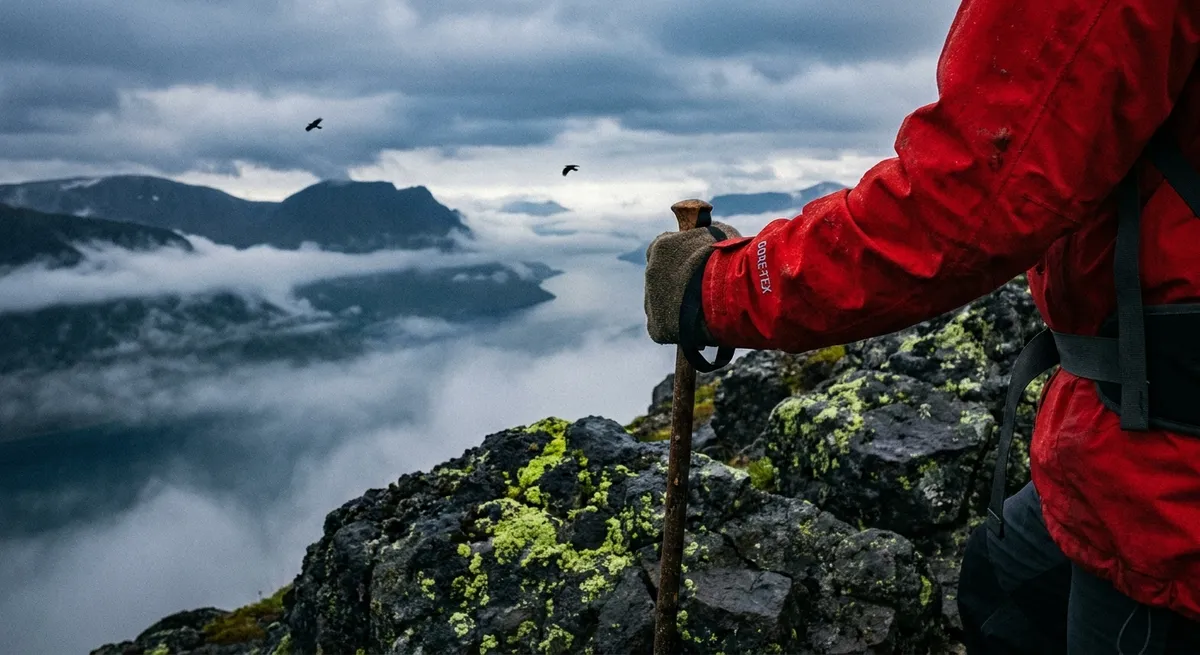
You sleep in mountain huts or minimalist campsites where the night sky (when clear) looks like a screensaver invented by a god with too much time. Hike to viewpoints like Valahnúkur to get the full layered chaos of Þórsmörk in one frame: river braids, birch woods, and ice monsters in the distance. This is not drive-by tourism; it’s the kind of place that makes you earn every view, one muddy step at a time.
4. The Floating Wooden Maze of the Uros Islands, Peru
On the Peruvian side of Lake Titicaca, entire communities live on islands that shouldn’t exist—handmade platforms woven from totora reed, floating in waters that once defined the edge of the known world. The Uros people have been building, maintaining, and living on these reed islands for centuries, long before anyone thought to tag them.
Step off the boat and the ground gives slightly, like walking on a giant waterlogged sponge. Houses, watchtowers, even cooking areas all sit on layered reeds that must be constantly renewed, or the whole island slowly dissolves back into the lake. It’s not a “quaint tradition”; it’s an ongoing engineering problem solved every day with knives, rope, and stubbornness.
Yes, some islands cater to visitors now, but head further out with a local boat and you’ll encounter quieter communities where reality feels reversed: land floats, boats are hollowed reeds, and the horizon is a ring of distant Andean peaks. The wind is thin at this altitude, the sun is brutal, and yet the pace is unhurried—life measured in knots tied, reeds cut, and storms watched.
5. The Underground River Cathedral of Puerto Princesa, Philippines
Caves are creepy. Rivers are calming. Combine them and you get the Puerto Princesa Subterranean River, a limestone cathedral swallowed by darkness on the island of Palawan. Boats creep into the mountain’s mouth, and then the outside world disappears—replaced by dripping echoes, bat whispers, and torchlight unveiling alien stone formations.
This is not your average cave walk with railings and gift shops at the exit. Here, you’re a passenger on a small boat, gliding over dark water with nothing but a helmet and the guide’s storytelling to anchor you. Stalagmites and stalactites shape-shift into whatever your imagination (or the guide’s sense of humor) can handle: curtains, dragons, cathedrals, lost cities.
Outside, the national park is a tangle of jungle, mangroves, monkeys, and monitor lizards that wander through like they own the place—which, to be fair, they kind of do. Palawan’s more famous beaches grab most of the attention, but this underground river feels like stepping into the earth’s subconscious: cool, quiet, and unapologetically strange.
Conclusion
Hidden gems are not necessarily “undiscovered”—they’re just under‑explained, under‑filtered places that still demand curiosity instead of checklists. Kelimutu’s color-shifting lakes, the pirate echoes of Îles des Saintes, the volcanic lungs of Þórsmörk, the floating worlds of Uros, and the underground river of Palawan all share one trait: they refuse to bend to your expectations.
If you’re willing to trade convenience for wonder, polish for presence, and signal bars for actual stories, these are the corners of the world waiting to unsettle you in the best possible way. Pack light, plan loose, and let the world stay a little weirder than your feed.
Sources
- UNESCO World Heritage Centre – Puerto-Princesa Subterranean River National Park - Official information on the underground river’s geology, ecology, and protection status
- UNESCO World Heritage Centre – Þingvellir National Park & Icelandic Volcanic Landscape Context - Background on Iceland’s tectonic and volcanic environment relevant to areas like Þórsmörk
- Peru Ministry of Foreign Trade and Tourism – Lake Titicaca & Uros Islands - Overview of the region, culture, and practical travel guidance
- Indonesia Ministry of Tourism – Flores & Kelimutu - Official tourism information on Flores island and Kelimutu National Park
- Guadeloupe Islands Tourist Board – Les Saintes - Details on geography, history, and access to the Îles des Saintes archipelago
Key Takeaway
The most important thing to remember from this article is that this information can change how you think about Hidden Gems.